
TL;DR:
- Minimizing chemical exposure in bedrooms is essential because soft furnishings release VOCs, which build up overnight. Combining certified low-emission materials, daily ventilation, and activated carbon filtration creates the most effective protection. Regular mattress cleaning and habits like opening windows help reduce health risks and improve sleep quality.
Minimizing chemical exposure in bedrooms is the most direct way to protect your health during the 7 to 9 hours you spend sleeping each night. A 2024 study published in ACS Environmental Science & Technology found 94 elevated compounds in bedroom air during sleep, driven by closed doors, occupant presence, and soft furnishings off-gassing volatile organic compounds (VOCs). The professional term for this problem is indoor air quality (IAQ) management, and it applies with particular force to bedrooms because you breathe that air continuously while your body is at its most vulnerable. Certifications like GreenGuard Gold, GOLS, and GOTS exist precisely because the bedroom is a high-exposure environment that demands verified standards, not marketing claims.
Why minimize chemical exposure in bedrooms: the science behind the risk
Bedrooms accumulate chemicals faster than any other room in your home. The combination of a closed door, low air exchange during sleep, and a room full of soft furnishings creates a chemical pressure cooker overnight.
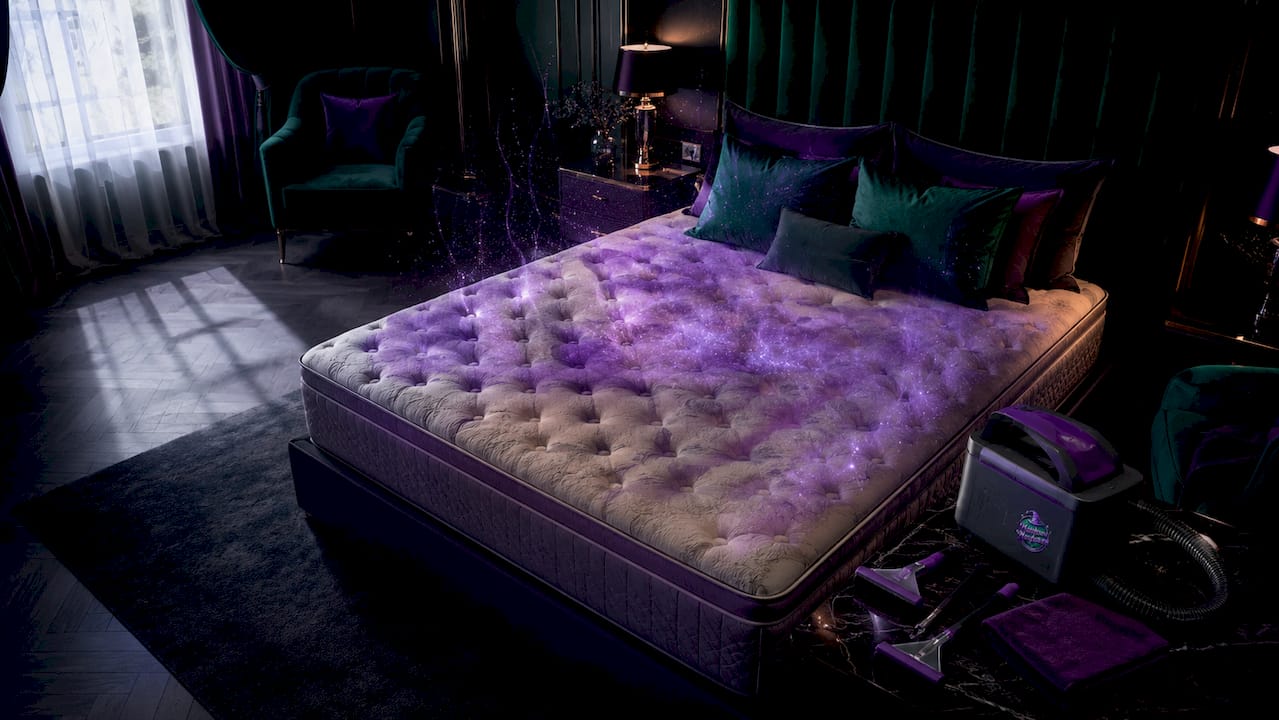
The main sources are not exotic. Your mattress, pillows, upholstered furniture, carpet, and even your personal care products all release VOCs. New foam mattresses are a significant contributor: formaldehyde off-gassing peaks in the first 72 hours after unpacking, which is exactly when most people start sleeping on them. Pressed wood furniture and certain adhesives also release formaldehyde steadily for months.
The ventilation problem compounds everything. Running your HVAC system in recirculation mode does not remove VOC gases. MERV 13 filters capture particles effectively but cannot trap gas-phase pollutants like formaldehyde or benzene. That means a well-filtered HVAC system gives you a false sense of security while VOC levels quietly climb overnight.
Common bedroom chemical sources include:
- Mattresses and foam toppers: Off-gas formaldehyde, benzene, and flame retardants
- Pressed wood furniture: Releases urea-formaldehyde from adhesives for months
- Synthetic bedding and carpets: Emit VOCs from dyes, treatments, and backing materials
- Personal care products: Parabens, phthalates, and synthetic fragrances applied before bed absorb through skin and evaporate into air
- Cleaning products: Residues from sprays and wipes linger on surfaces and re-volatilize overnight
Pro Tip: Air your bedroom with the door and window open for at least 30 minutes every morning. This single habit flushes accumulated overnight VOCs before you re-enter the room.
What are the real health consequences of bedroom chemical buildup?
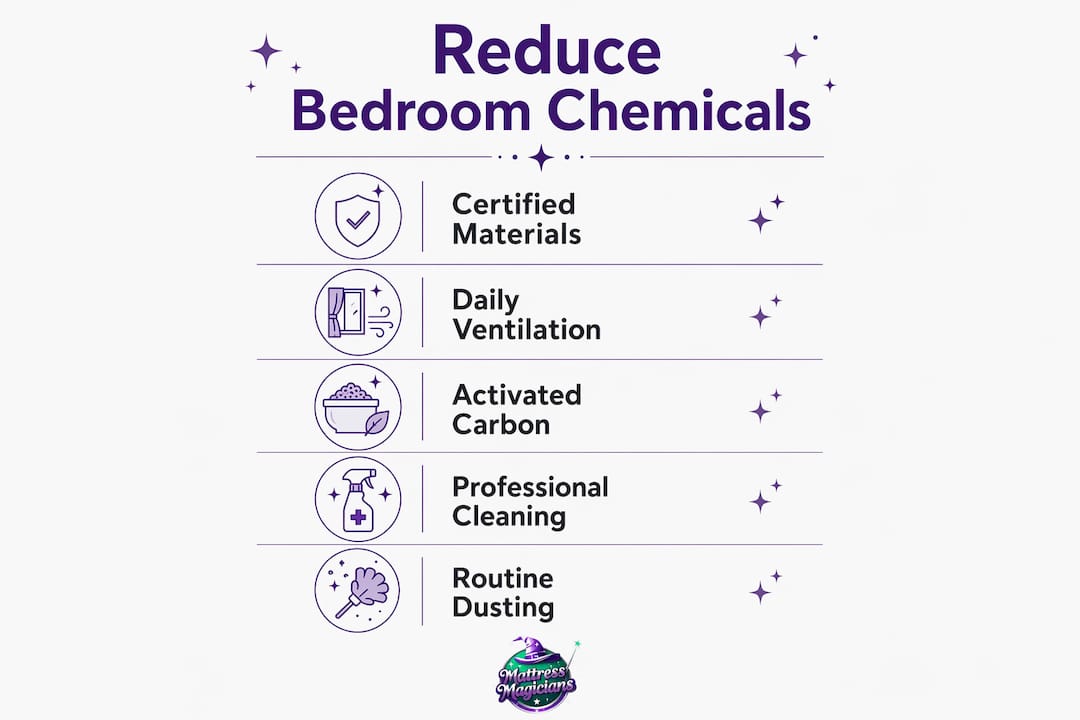
The health case for reducing toxins in bedrooms is grounded in measurable biology, not abstract risk. VOC exposure during sleep disrupts respiratory function, irritates mucous membranes, and places a chronic low-level burden on your liver and endocrine system.
The endocrine disruption angle is particularly well-documented. A 2023 Inserm-led study found that switching to cosmetics free of parabens and phthalates reduced urinary biomarkers of these chemicals by 22–30% in just five days. That speed of change shows how quickly your body responds when you remove the source.
The same research found that cleaner personal care choices may prevent roughly 4% of childhood asthma cases linked to prenatal chemical exposure. For parents in Minneapolis and St. Paul, that number has real weight.
Reducing plastic contact in food and household products can significantly lower urinary plastic-associated chemicals within just 7 days, according to a 2026 randomized controlled trial. The bedroom is where plastic-wrapped mattresses, synthetic pillows, and plastic-backed rugs create the densest contact zone in your home.
The benefits of low chemical exposure in the bedroom are practical and immediate:
- Fewer morning headaches and throat irritation
- Reduced allergy and asthma flare-ups during sleep
- Lower systemic burden of endocrine-disrupting compounds
- Better sleep depth, since VOC irritation fragments light sleep stages
- Reduced reproductive health risk from phthalate and bisphenol A exposure
A 2025 analysis by Environmental Health News confirmed that personal lifestyle changes controlling endocrine disruptors and plastic chemicals do improve health outcomes. The bedroom is the highest-leverage room to start because exposure there is prolonged and unavoidable.
How to reduce chemical exposure in your bedroom effectively
Reducing bedroom chemical exposure requires three parallel strategies: source control, ventilation, and filtration. Relying on only one of the three leaves significant exposure gaps.
Source control: choose certified materials
The most powerful long-term move is selecting furnishings that carry verified low-emission certifications. “Non-toxic” printed on a label means nothing without third-party verification. Certifications like GOLS, GOTS, MADE SAFE, and GreenGuard Gold are the only reliable signals that a product has been tested against specific chemical thresholds.
For your mattress, look for GOLS (Global Organic Latex Standard) or GOTS (Global Organic Textile Standard) certification. For furniture, GreenGuard Gold sets the most stringent VOC emission limits. When buying new foam mattresses, air them in a well-ventilated space for at least 72 hours before bringing them into the bedroom. This single step dramatically reduces your formaldehyde exposure at the highest-risk window.
Ventilation: the fastest free fix
Opening bedroom windows for 10–15 minutes before sleep dilutes accumulated VOCs with fresh air exchange. This is peer-reviewed guidance, not folk wisdom. In Minnesota winters, even cracking a window for 10 minutes before closing it makes a measurable difference. Daytime airing matters too: open the bedroom door and a window for at least 30 minutes each morning to flush overnight accumulation.
Filtration: activated carbon, not just HVAC
Standard HVAC filters, including MERV 13, remove particulate matter but leave VOC gases untouched. An air purifier with at least two pounds of activated carbon can reduce bedroom TVOC levels by 40–60% within two hours. For formaldehyde specifically, activated carbon filters impregnated with potassium permanganate or amine-functionalized media outperform standard granular carbon. Place the purifier near the mattress, not across the room, for maximum effect.
The following steps summarize the most effective combined approach:
- Replace synthetic foam mattresses with GOLS-certified latex or GOTS-certified organic cotton options
- Air any new mattress or furniture for 72 hours in a garage or well-ventilated space before bedroom use
- Open windows for 10–15 minutes before bed every night
- Run an activated carbon air purifier in the bedroom continuously during sleep
- Switch personal care products to formulations free of parabens, phthalates, and synthetic fragrance
- Replace plastic-backed rugs and synthetic curtains with natural fiber alternatives
- Use chemical-free cleaning methods on bedroom surfaces to avoid adding cleaning product residues
Pro Tip: When shopping for an air purifier, check the weight of the activated carbon bed, not just the filter type. A thin carbon layer saturates quickly and stops working within weeks.
| Strategy | Best for | Limitation |
|---|---|---|
| Certified low-VOC furnishings | Long-term source reduction | Higher upfront cost |
| Window ventilation | Fast, free VOC dilution | Weather-dependent in Minnesota |
| Activated carbon air purifier | Continuous gas-phase removal | Requires filter replacement every 3–6 months |
| Avoiding synthetic fragrances | Reducing endocrine disruptors | Requires product label literacy |
Practical daily habits for a healthy bedroom environment
Consistent daily habits maintain the gains you make with better furnishings and filtration. A clean bedroom environment is not a one-time project. It requires regular upkeep to stay low in chemical pollutants.
Dust and debris on bedroom surfaces re-release VOCs when disturbed. Wet dusting with a damp microfiber cloth traps particles instead of sending them airborne. Dry dusting simply redistributes chemical-laden particles. Wet mopping hard floors weekly removes settled VOC-carrying dust that vacuuming misses.
For carpeted bedrooms, HEPA vacuuming twice a week removes dust mite debris, pet dander, and chemical-laden particulates that accumulate in carpet fibers. Carpets are among the highest-VOC surfaces in a bedroom because their large surface area absorbs and slowly re-releases chemicals from cleaning products, off-gassing furniture, and tracked-in pollutants.
Your mattress deserves specific attention. It absorbs sweat, skin cells, dust mite waste, and residues from personal care products applied before bed. These biological and chemical residues build up over months and contribute directly to the chemical load in your sleeping environment. For VOC management in mattresses, professional cleaning removes embedded residues that surface vacuuming cannot reach.
Additional daily and weekly habits that reduce chemical pollutants:
- Store personal care products outside the bedroom; apply them in the bathroom
- Avoid using spray cleaners, air fresheners, or scented candles in the bedroom
- Wash bedding weekly in fragrance-free, dye-free detergent
- Keep bedroom clutter minimal; fewer synthetic objects means fewer off-gassing surfaces
- Check product labels for formaldehyde-releasing preservatives like DMDM hydantoin and quaternium-15
- When buying new bedroom items, look for eco-friendly sleeping environment certifications before purchasing
Professional mattress cleaning goes beyond what a home vacuum achieves. Mattressmagicians uses professional-grade equipment to extract allergens, biological residues, and chemical buildup from deep within mattress layers. For homeowners and renters in the Twin Cities who want a genuinely clean sleeping surface, this is the step that makes the most difference after source control and ventilation are in place.
Key Takeaways
Reducing chemical exposure in bedrooms requires source control, daily ventilation, and activated carbon filtration working together. No single strategy is sufficient on its own.
| Point | Details |
|---|---|
| Bedrooms accumulate VOCs fast | Closed doors and soft furnishings spike chemical levels overnight without ventilation. |
| Ventilation works immediately | Opening windows for 10–15 minutes before sleep measurably lowers VOC concentration. |
| HVAC alone is not enough | MERV 13 filters remove particles but cannot capture gas-phase VOCs or formaldehyde. |
| Certified products matter | GOLS, GOTS, MADE SAFE, and GreenGuard Gold are the only reliable low-emission signals. |
| Body burden drops fast | Switching to cleaner personal care products reduces endocrine disruptors by 22–30% in five days. |
What most people get wrong about bedroom air quality
The most common mistake I see is treating bedroom air quality as a one-time purchase decision. Homeowners buy a certified mattress, feel satisfied, and stop there. The mattress is one source among many. The pressed wood nightstand, the synthetic rug, the scented lotion applied right before bed, and the closed door all keep working against you.
The second mistake is trusting HVAC recirculation. I have spoken with Twin Cities homeowners who run expensive whole-home air systems and assume their bedroom air is clean. It is not. Those systems filter particles. VOC gases pass straight through. An activated carbon purifier running in the bedroom is not a luxury. It is the only tool that actually addresses gas-phase pollutants while you sleep.
The third mistake is dismissing “non-toxic” label claims without checking for third-party certification. The phrase “non-toxic” has no legal definition in the United States. GreenGuard Gold, GOLS, and GOTS do. If a product does not carry one of those marks, the marketing claim is unverifiable.
What actually works is the combination: certified materials, nightly ventilation, activated carbon filtration, and a professionally cleaned mattress. Each layer removes a different category of exposure. Together, they create a bedroom where your body can genuinely recover overnight. For families with young children or anyone managing allergies, the sleep quality improvements from this combination are not subtle.
— Phillip
Your mattress is the center of your bedroom’s chemical environment
Your mattress is the single surface you spend the most time in direct contact with, and it absorbs more chemical residue than any other item in the bedroom. Sweat, skin oils, personal care product residues, and dust mite waste accumulate in layers that a household vacuum cannot reach. Mattressmagicians provides professional mattress cleaning and sanitization for homeowners and renters across Minneapolis, St. Paul, Woodbury, and the broader Twin Cities metro. Same-week appointments are available for most locations. If you are serious about creating a low-chemical, allergen-reduced sleeping environment, a professionally cleaned mattress is the foundation that makes everything else work better. Book your service at Mattressmagicians.
FAQ
Why do VOC levels rise in bedrooms overnight?
Closed doors restrict fresh air exchange while your body heat and presence accelerate off-gassing from soft furnishings. A 2024 ACS study identified 94 elevated compounds in bedroom air during sleep under these conditions.
Does opening a window actually reduce bedroom chemical exposure?
Opening windows for 10–15 minutes before sleep dilutes accumulated VOCs with fresh outdoor air. This is one of the fastest and most effective ways to lower chemical concentration without any equipment.
What certifications should I look for in bedroom products?
GOLS, GOTS, MADE SAFE, and GreenGuard Gold are the most reliable third-party certifications for low chemical emissions. Unregulated terms like “non-toxic” or “natural” carry no verified standard.
Can professional mattress cleaning reduce chemical exposure?
Professional cleaning removes biological residues, dust mite waste, and chemical buildup embedded in mattress layers that surface vacuuming cannot reach. This directly reduces the chemical load in your sleeping environment.
How quickly does the body respond to reduced chemical exposure?
Research shows measurable results within days. A 2023 Inserm study found urinary biomarkers of parabens and phthalates dropped by 22–30% in five days after switching to cleaner personal care products.

