
TL;DR:
- Professional home cleaning with HEPA filtration and deep extraction improves hygiene by removing embedded allergens and biological contaminants. Mattress cleaning involves multi-stage protocols that significantly reduce allergens, odors, and stains, providing measurable relief for allergy sufferers and pet owners. Regular professional cleaning every 3 to 12 months, combined with DIY maintenance, maintains healthier living environments and better sleep quality.
Home cleaning services are defined as professional cleaning operations that go beyond routine household maintenance to remove embedded allergens, biological contaminants, odors, and stains using commercial-grade equipment and clinical protocols. The role of home cleaning services extends far past wiping down counters or running a vacuum. For homeowners and renters dealing with dust mite allergies, pet accidents, or stubborn mattress stains, professional cleaning is the difference between surface hygiene and genuine health protection. Mattressmagicians specializes in exactly this kind of deep, targeted cleaning for Twin Cities residents who need results that a Saturday morning cleaning routine simply cannot deliver.
What does a professional home cleaning service actually include?
Professional home cleaning covers a wider scope than most people expect. Standard services include dusting, HEPA-filter vacuuming, mopping, surface sanitization, and targeted treatment of soft furnishings like mattresses, upholstery, and rugs. The equipment professionals bring is the key differentiator.
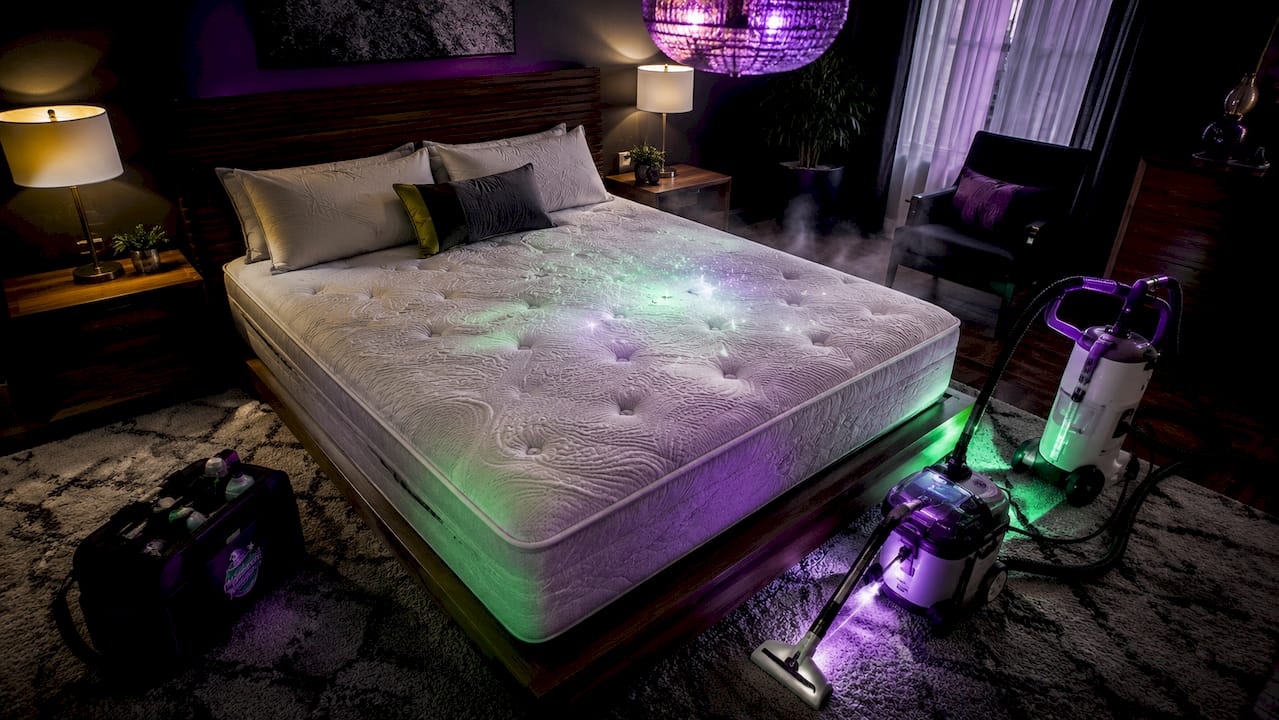
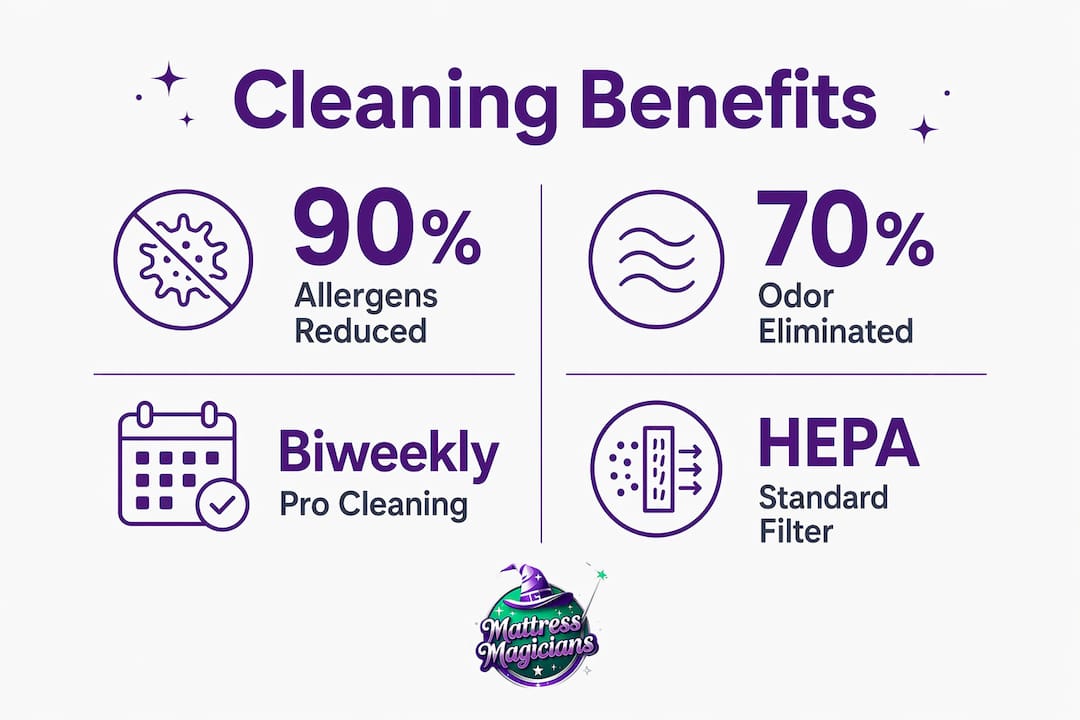
Commercial-grade HEPA-filter vacuums capture particles down to 0.3 microns, including dust mite feces and pet dander. That level of filtration prevents fine particles from recirculating back into the air you breathe, which is exactly what standard household vacuums fail to prevent.
Here is what separates professional cleaning from a thorough DIY session:
- Equipment depth. Steam extractors and industrial vacuums reach deep into mattress fibers and upholstery where home tools stop at the surface layer.
- Allergen removal. DIY methods clean top layers but miss embedded allergens that trigger asthma and allergy symptoms.
- Moisture control. Professionals manage drying precisely to prevent mold growth, a risk that DIY steam cleaning often ignores.
- Liability protection. Professional services carry public liability insurance, protecting homeowners from accidental damage that a DIY mistake could cause.
Pro Tip: Ask any cleaning service whether they use true HEPA filtration, not just “HEPA-style” filters. The distinction matters for allergen capture efficiency.
The impact is most visible in high-use areas: mattresses, pet zones, and upholstered furniture. These surfaces accumulate biological material that regular cleaning cannot fully address.
How do professional mattress cleaning services reduce allergens, odors, and stains?
Professional mattress cleaning follows a multi-stage protocol that is closer to a clinical procedure than a household chore. Each stage targets a specific problem, and skipping any step reduces the overall result.
The standard process works like this:
- Inspection. The technician identifies stain types, odor sources, and areas of biological contamination before selecting the right treatment approach.
- HEPA-filter vacuuming. Deep vacuuming removes loose debris, dust mites, and surface allergens before wet treatment begins.
- Enzymatic pre-treatment. Enzyme-based solutions break down organic stains and odors at a molecular level. Pre-treatment dwell time of 5–15 minutes is critical for full odor and stain elimination. This step is almost always skipped in DIY attempts.
- Hot water extraction. High-temperature water is injected and immediately extracted, pulling contaminants out of deep mattress layers.
- UV-C sanitization. Ultraviolet light targets bacteria, mold spores, and remaining biological material that extraction alone cannot eliminate.
- Forced-air drying. Forced-air drying reduces drying time to 2–4 hours versus the 8–24 hours natural air drying requires. This step prevents moisture from becoming trapped in foam layers, which causes mold growth and worsens allergies.
The results are measurable. Hot water extraction combined with anti-allergen treatment reduces mattress allergen loads by 70–90%, with symptom relief typically noticeable within 2–3 nights. That is a meaningful outcome for anyone in the Twin Cities managing seasonal allergies or year-round dust mite sensitivity.
| Stage | Primary target | DIY equivalent |
|---|---|---|
| HEPA vacuuming | Surface allergens, dust mites | Standard vacuum (misses fine particles) |
| Enzymatic pre-treatment | Organic stains, urine, odor | Baking soda or spray (surface only) |
| Hot water extraction | Deep contaminants, bacteria | Consumer steam cleaner (limited depth) |
| UV-C sanitization | Bacteria, mold spores | None available to consumers |
| Forced-air drying | Moisture control | Natural air drying (mold risk) |
Pro Tip: Never use a consumer steam cleaner on a mattress without forced-air drying available. Trapped moisture in foam layers creates mold conditions within 24–48 hours.
Mattress sanitization and mattress cleaning are not the same thing. Sanitization combines heat, UV-C, and extraction to reduce biological load beyond what cleaning alone achieves. Cleaning removes visible soil and allergens. Sanitization goes deeper to support hygienic longevity. For households with young children, pets, or allergy sufferers, sanitization is the appropriate standard.
What are the benefits of hiring cleaning services for allergy sufferers and pet owners?
The benefits of home cleaning services are most pronounced for households where vulnerable people sleep and breathe close to contaminated surfaces every night. Allergy sufferers, parents of young children, and pet owners all face a higher baseline of airborne and contact irritants.
- Allergy and asthma relief. True allergy relief requires source removal through physical extraction using industrial-grade HEPA filtration and steam. Surface sprays and masking odors do not address the root cause.
- Better sleep quality. A mattress free of dust mites, pet dander, and biological residue supports deeper, uninterrupted sleep. The impact of pet dander on sleep quality is well documented, and professional cleaning removes it from the layers where it accumulates.
- Pet accident recovery. Urine from pets penetrates through mattress covers into foam cores. Enzymatic treatment is the only method that breaks down uric acid crystals completely. Surface cleaning leaves the odor source intact.
- Cost-effectiveness. Hiring professional cleaning services often costs roughly the same as the value of time spent cleaning yourself, with better results and reduced stress. Preventing one respiratory flare-up or avoiding mattress replacement adds further financial value.
“Professionals provide true allergy relief through source removal rather than surface treatment. Industrial-grade tools reach deep upholstery fibers that home cleaning simply cannot access, making professional cleaning the only reliable option for households managing chronic allergy symptoms.”
For Minneapolis and St. Paul homeowners managing Minnesota’s dry winters and humid summers, allergen accumulation in mattresses is a year-round issue. Professional cleaning addresses both seasonal pollen tracked indoors and the persistent dust mite populations that thrive in bedding.
How often should you schedule professional home and mattress cleaning?
Cleaning frequency depends on household conditions, not a single universal rule. The right schedule balances health needs, budget, and the specific demands of your living situation.
| Household type | Recommended professional cleaning frequency | DIY maintenance between visits |
|---|---|---|
| Standard household, no pets or allergies | Every 6–12 months | Weekly vacuuming, monthly mattress rotation |
| Allergy-prone or asthma household | Every 3–6 months | Bi-weekly HEPA vacuuming of mattress and upholstery |
| Household with pets | Every 3–4 months | Weekly spot treatment, monthly mattress cover wash |
| Short-term rental or Airbnb | After every guest or monthly | Daily surface cleaning between bookings |
| Household with young children | Every 4–6 months | Weekly mattress vacuuming, immediate stain treatment |
Most households benefit from biweekly professional cleaning of general home surfaces, with mattress-specific deep cleaning scheduled separately based on use intensity. A practical threshold: if cleaning your home takes more than 8 hours per month and results are still declining, professional service is the right call.
Certain signs indicate you should not wait for a scheduled appointment. Persistent odors after washing bedding, visible staining that has set for more than 48 hours, a new pet accident on a mattress, or worsening allergy symptoms despite regular cleaning all call for immediate professional attention. The allergen removal workflow for mattresses is most effective when addressed quickly after contamination occurs.
Optimal hygiene combines frequent DIY maintenance with periodic professional deep cleaning. DIY keeps surface allergen levels manageable between visits. Professional cleaning resets the baseline by removing what DIY cannot reach.
Key Takeaways
Professional home cleaning services deliver measurable health and hygiene outcomes that DIY methods cannot replicate, particularly for mattresses, allergen control, and odor elimination.
| Point | Details |
|---|---|
| HEPA filtration is the standard | Commercial HEPA vacuums capture particles down to 0.3 microns, preventing allergen recirculation that standard vacuums miss. |
| Multi-stage protocols matter | Effective mattress cleaning requires enzymatic pre-treatment, hot water extraction, UV-C sanitization, and forced-air drying as a complete sequence. |
| Cleaning and sanitization differ | Sanitization reduces biological load beyond surface cleaning and is the right choice for allergy-prone or high-use households. |
| Frequency depends on household conditions | Allergy sufferers and pet owners need professional mattress cleaning every 3–4 months; standard households can extend to 6–12 months. |
| DIY maintenance complements professional cleaning | Regular vacuuming and spot treatment between professional visits keeps allergen levels manageable and extends results. |
Why I think most people underestimate what their mattress holds
Most homeowners I talk to assume their mattress is reasonably clean because they wash their sheets regularly. That assumption is wrong in a specific and important way. Sheets protect the mattress cover. They do not protect the mattress itself from the sweat, skin cells, and biological material that migrate through fabric over months and years.
The misconception I see most often is that a baking soda treatment or a quick spray with a fabric refresher counts as mattress cleaning. It does not. Those methods address odor at the surface. The dust mite colonies, uric acid crystals from old accidents, and mold spores from improper drying sit several inches deeper, completely untouched.
What I find genuinely surprising is how quickly people notice the difference after a proper professional clean. Better sleep within two to three nights is a common report, not because of any placebo effect, but because the irritants that were disrupting breathing and skin contact are physically gone. That is the allergy-friendly mattress care outcome that no surface treatment can replicate.
My practical advice: treat your mattress like a major appliance. You service your HVAC system annually. You clean your refrigerator coils. Your mattress, where you spend a third of your life, deserves the same scheduled attention. Build professional cleaning into your home maintenance calendar rather than waiting for a visible problem to force the decision.
— Phillip
Mattressmagicians brings professional mattress cleaning to the Twin Cities
Mattressmagicians serves homeowners and renters across Minneapolis, St. Paul, Woodbury, and the broader Twin Cities metro with on-demand, mobile mattress cleaning and restoration. Every service uses the full multi-stage protocol: HEPA vacuuming, enzymatic pre-treatment, hot water extraction, UV-C sanitization, and forced-air drying. There is no hauling your mattress anywhere. The team comes to you.
Whether you are dealing with a pet accident, a stubborn stain, lingering odor, or allergy symptoms that are not improving, Mattressmagicians has a targeted solution. The professional mattress cleaning service covers stain removal, odor elimination, and full sanitization in a single visit. For Airbnb hosts and property managers, recurring service plans keep guest-facing mattresses at a consistent hygiene standard. Book your appointment at mattressmagicians.com and see the difference a proper clean makes.
FAQ
What does a professional home cleaning service do differently?
Professional cleaning uses commercial-grade HEPA vacuums, steam extractors, and enzymatic treatments that reach deep into mattress fibers and upholstery. Standard household cleaning addresses surface layers only and misses embedded allergens and biological contaminants.
How much do allergens decrease after professional mattress cleaning?
Hot water extraction combined with anti-allergen treatment reduces mattress allergen loads by 70–90%. Most people with allergy symptoms notice improvement within 2–3 nights of treatment.
Is mattress sanitization the same as mattress cleaning?
No. Cleaning removes visible soil and surface allergens. Sanitization adds UV-C light and heat treatment to reduce bacteria, mold spores, and biological load beyond what cleaning alone achieves. Allergy-prone households benefit most from full sanitization.
How often should a mattress be professionally cleaned?
Allergy sufferers and pet owners should schedule professional mattress cleaning every 3–4 months. Standard households without pets or allergy concerns can typically extend to every 6–12 months, with regular DIY vacuuming in between.
Can DIY mattress cleaning cause damage?
Yes. Consumer steam cleaners applied without forced-air drying trap moisture in foam layers, creating conditions for mold growth within 24–48 hours. Enzymatic pre-treatment steps are also routinely skipped in DIY attempts, leaving odor sources intact beneath the surface.

