
TL;DR:
- Sustainable upholstery cleaning involves using plant-based products, low-moisture methods, and HEPA-filtered equipment to protect health and the environment. It requires identifying fabric types and cleaning codes, then applying appropriate, certified solutions with proper technique. Professional cleaning is recommended for stubborn stains, odors, or delicate fabrics to ensure safe and effective results.
Sustainable upholstery cleaning is defined as the practice of using plant-based or biodegradable cleaning agents, low-moisture techniques, and HEPA-filtered equipment to clean fabric furniture without harming your health, your home, or the environment. The industry term you’ll see on certified products and professional service agreements is “green cleaning,” and it covers everything from the chemistry in the bottle to how wastewater gets managed after the job is done. Certifications like Green Seal GS-42 and EPA Safer Choice set the bar for what qualifies as genuinely eco-friendly, not just marketed that way. For homeowners and renters in the Twin Cities who want clean, fresh upholstery without filling their living rooms with synthetic fumes, understanding this approach is the first step toward making better choices for your furniture and your family.
What is sustainable upholstery cleaning, and how does it work?
Sustainable upholstery cleaning relies on three core components: the products used, the methods applied, and the equipment doing the work. Get all three right, and you clean effectively while protecting fabric integrity and indoor air quality.
Products: plant-based and biodegradable formulas
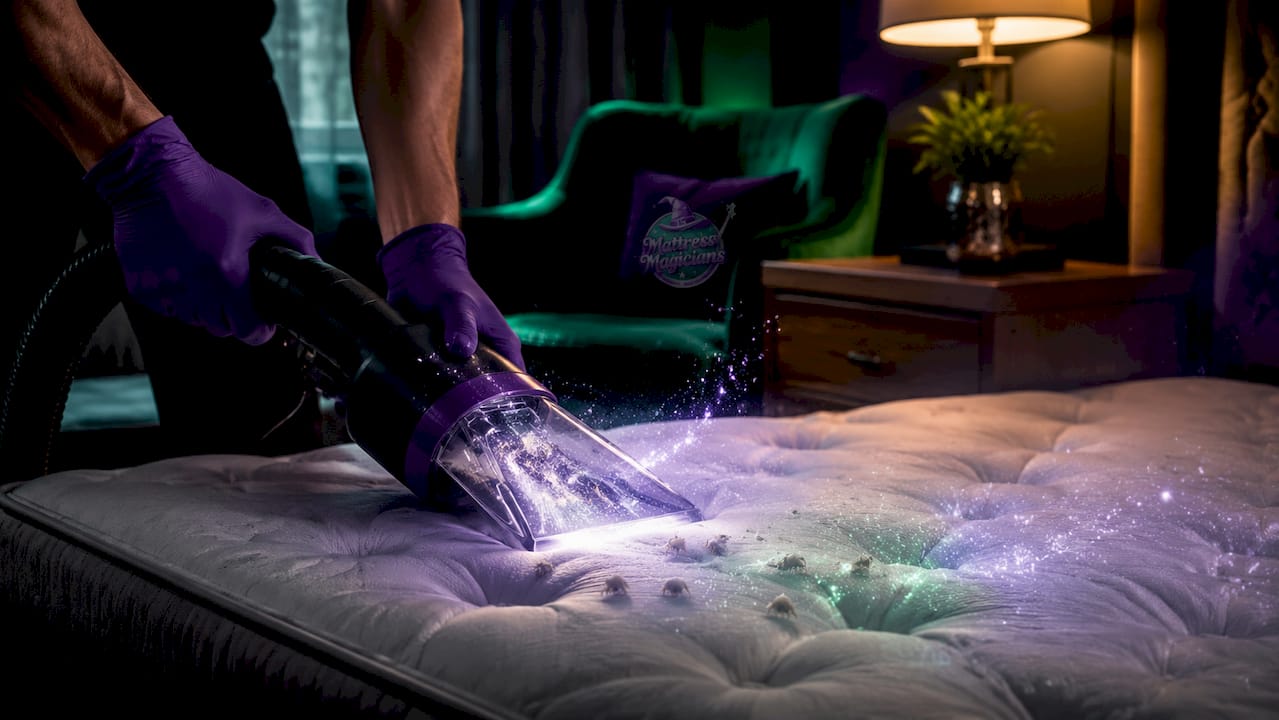
Conventional upholstery cleaners often contain synthetic surfactants, artificial fragrances, and solvents that leave chemical residue on fabric. Plant-based and biodegradable formulas break down naturally after use, reducing the chemical load in your home and in the water supply. Eco-friendly methods protect fabric integrity compared to harsh synthetic chemicals that cause fibers to become brittle and adhesives to degrade prematurely. That means your sofa lasts longer when you clean it responsibly.
Products certified under EPA Safer Choice or Green Seal GS-42 have passed strict environmental and toxicity criteria. A label that says “natural” without a third-party certification means very little. Look for the certification mark, not the marketing copy.
Methods: low-moisture and dry cleaning techniques
High moisture is one of the biggest risks in upholstery cleaning. High moisture causes dirt migration and fabric damage, and it creates conditions where mold can develop inside cushion padding. Low-moisture methods apply just enough solution to lift soil, then use airflow to speed drying. This protects the structural integrity of the upholstery and prevents the water rings that appear when fabric dries unevenly.
Dry-cleaning methods use absorbent compounds or encapsulation technology to capture dirt without saturating the fabric. These work especially well on delicate materials like silk or wool where water exposure is a real risk.
Equipment: HEPA-filtered vacuums
HEPA-filtered vacuums trap 99.97% of particles down to 0.3 microns, including dust mite debris, pet dander, and mold spores. Standard vacuums recirculate fine particles back into the air. That distinction matters enormously for allergy sufferers and anyone with respiratory sensitivities.
Reusable microfiber cloths can be laundered hundreds of times, replacing disposable paper towels and reducing waste. Green cleaning is as much about responsible waste reduction as it is about what goes into the cleaning solution.
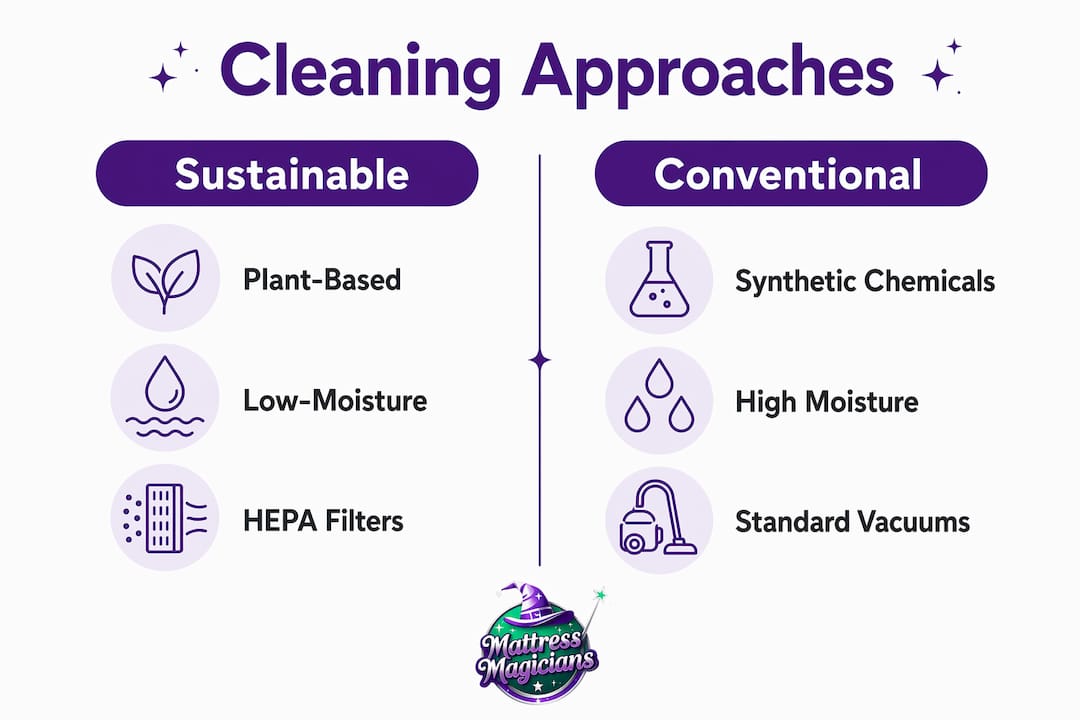
| Component | Conventional approach | Sustainable approach |
|---|---|---|
| Cleaning agents | Synthetic solvents, artificial fragrances | Plant-based, biodegradable formulas |
| Moisture level | High-moisture extraction | Low-moisture or dry methods |
| Vacuuming | Standard filter | HEPA-filtered equipment |
| Waste materials | Disposable cloths and pads | Reusable microfiber cloths |
| Certification | None required | Green Seal GS-42, EPA Safer Choice |
Pro Tip: Check the product label for a third-party certification mark before buying. “Green,” “natural,” and “eco” are unregulated marketing terms. Green Seal GS-42 and EPA Safer Choice are not.
How do fabric types and cleaning codes affect eco-friendly cleaning?
Knowing your fabric type is not optional. Even natural or plant-based products can cause damage or discoloration if applied to the wrong material. Fabric identification comes before product selection, every time.
Reading upholstery cleaning codes
Most upholstered furniture carries a tag with one of four cleaning codes:
- W (water-based cleaners only): Safe for water-based and most eco-friendly solutions. Common on cotton and synthetic blends.
- S (solvent-based cleaners only): Requires dry-cleaning solvents. Water can cause shrinkage or staining on these fabrics.
- WS (water or solvent): The most flexible code. Accepts both water-based and solvent-based eco products.
- X (vacuum only): No liquid cleaners of any kind. Spot cleaning risks permanent damage.
Fabric cleaning codes are guidelines only. The critical step is always performing a hidden-area spot test before applying any cleaner to a visible surface. Test on the back of a cushion or under a seat skirt, wait 10 minutes, and check for color bleeding, shrinkage, or texture change.
Common fabric types and their risks
Cotton and polyester blends tolerate water-based eco cleaners well. Wool can shrink with excess moisture and needs a low-moisture approach. Silk is extremely sensitive and usually requires professional handling. Leather needs pH-neutral, non-alkaline cleaners to avoid drying and cracking. Blended fabrics carry the risks of their most sensitive component, so always test.
Ignoring fabric specifics leads to color bleeding, backing separation, or permanent texture damage. None of those outcomes are reversible. A two-minute spot test prevents a very expensive mistake.
Pro Tip: If the cleaning code tag is missing, treat the fabric as code S until you can confirm otherwise. Applying water to an S-coded fabric is one of the most common DIY mistakes.
How to clean upholstery sustainably at home
DIY green upholstery cleaning works well for routine maintenance and minor stains. The key is using the right solution, applying minimal moisture, and acting quickly.
-
Vacuum first. Use a HEPA-filtered vacuum with an upholstery attachment. Weekly vacuuming prevents dirt embedding and allergen accumulation. Run the attachment in overlapping strokes, paying attention to seams and crevices where dust and pet dander collect.
-
Mix your cleaning solution. For W or WS coded fabrics, combine one part white vinegar with two parts water and add a single drop of plant-based dish detergent. This solution lifts most surface soils and light stains without harsh chemicals. Avoid bleach, ammonia, and any product with artificial fragrance.
-
Spot test. Apply a small amount to a hidden area. Wait 10 minutes. If color holds and the fabric feels normal, proceed.
-
Apply with a microfiber cloth. Dampen the cloth, not the fabric. Blot the stained area rather than rubbing. Rubbing spreads the stain and pushes it deeper into the fibers. Work from the outer edge of the stain toward the center.
-
Dry with airflow. Open a window or use a fan to speed drying. Never leave upholstery damp. Low-moisture techniques prevent water rings and mold by controlling drying rates and minimizing moisture penetration into padding.
-
Deep clean every 3–6 months. Routine vacuuming handles surface buildup, but deep cleaning every 3–6 months prevents soil from embedding permanently into the fabric structure.
For homes with kids or pets, a family-safe cleaning routine using non-toxic products makes a real difference in daily air quality and fabric longevity.
Pro Tip: Treat stains within the first 10 minutes. Fresh stains sit on the surface. Dried stains bond to fibers. Speed matters more than the product you use.
Benefits and limitations of green upholstery cleaning methods
Sustainable fabric care delivers real advantages over conventional methods, but it also has limits worth understanding before you commit to a cleaning plan.
The genuine benefits
Eco-friendly upholstery cleaning reduces volatile organic compounds (VOCs) in your home. Conventional cleaners release VOCs that linger in indoor air long after the cleaning is done. Sustainable cleaning minimizes VOCs and allergens, which directly improves indoor air quality. For allergy sufferers in Minneapolis and St. Paul, where homes stay sealed for months during winter, that reduction matters.
Fabric preservation is another concrete benefit. Harsh synthetic chemicals degrade fiber bonds over time. Plant-based formulas clean without stripping protective coatings or weakening fabric structure. Furniture cleaned with eco methods consistently lasts longer than furniture treated with aggressive chemical cleaners.
Where eco methods fall short
Not every stain or odor responds to plant-based solutions alone. Set-in pet urine, deep grease stains, and biological odors often require professional-grade enzyme treatments or specialized equipment that goes beyond what a DIY kit can deliver. Attempting to force an eco solution on a stubborn stain can spread the damage or push it deeper into the padding.
| Factor | Sustainable methods | Conventional methods |
|---|---|---|
| Indoor air quality | Improved, fewer VOCs | Risk of chemical off-gassing |
| Fabric lifespan | Extended, gentler on fibers | Shortened with repeated harsh use |
| Environmental impact | Biodegradable, less water waste | Higher chemical and water footprint |
| Stain removal power | Effective on fresh, light stains | Stronger on set-in or heavy stains |
| Health risk | Low, non-toxic formulas | Higher with synthetic solvents |
For eco-friendly stain removal on surfaces beyond upholstery, the same principles apply: act fast, use the right product for the fabric, and know when to call a professional.
Key Takeaways
Sustainable upholstery cleaning works because it combines certified plant-based products, low-moisture techniques, and HEPA-filtered equipment to protect fabric, health, and the environment simultaneously.
| Point | Details |
|---|---|
| Certification matters | Look for Green Seal GS-42 or EPA Safer Choice marks, not unverified “eco” labels. |
| Fabric codes come first | Always identify the cleaning code and spot test before applying any solution. |
| Low moisture protects fabric | Excess water causes mold, water rings, and structural damage to upholstery padding. |
| Weekly vacuuming is non-negotiable | HEPA-filtered vacuuming prevents allergen buildup and reduces the need for deep cleaning. |
| DIY has real limits | Set-in stains, pet odors, and delicate fabrics require professional-grade equipment and expertise. |
Why I think most people are cleaning their upholstery wrong
After years of working with fabric care and seeing the results of both DIY attempts and professional jobs, one pattern stands out clearly. Most homeowners skip the spot test. They read the label, feel confident, and apply the product directly to a visible area. Then they watch the color lift out of a $1,200 sofa cushion in real time.
The other mistake I see constantly is confusing “natural” with “safe for all fabrics.” White vinegar is natural. It is also acidic enough to damage certain dyes and finishes if left on too long or used on the wrong fabric. Baking soda is gentle. It is also abrasive enough to pill delicate weaves if scrubbed in. Natural does not mean risk-free. It means lower chemical toxicity, which is a different thing entirely.
The certification piece is where I get genuinely frustrated with how the market works. Green Seal GS-42 certification covers the entire cleaning operation, including staff training, chemical dilution protocols, and equipment use. A company using one certified product in an otherwise conventional operation does not meet that standard. When you hire a professional, ask specifically which certifications the operation holds, not just which products they use. That question alone separates real green cleaning from green marketing.
My honest recommendation for Twin Cities homeowners: vacuum weekly with a HEPA attachment, deep clean every 3–6 months with a tested, certified solution, and call a professional the moment you are dealing with pet urine, mold, or a fabric you cannot confidently identify. The cost of a professional visit is always less than the cost of replacing furniture you damaged trying to save money.
— Phillip
When professional upholstery and mattress cleaning makes sense
Some cleaning jobs are simply beyond what a spray bottle and microfiber cloth can handle safely.
Mattressmagicians brings certified green cleaning methods, HEPA-filtered equipment, and trained technicians directly to homes across Minneapolis, St. Paul, Woodbury, and the surrounding Twin Cities metro. The same eco-conscious approach that protects upholstery applies to mattresses, where allergen buildup, odor, and staining require professional-grade treatment to resolve completely. For households dealing with pet accidents, allergy concerns, or heavily soiled furniture, a professional service delivers results that protect both the fabric and the people living with it. Explore professional mattress cleaning from Mattressmagicians and see what a genuinely green deep clean looks like in practice.
FAQ
What is sustainable upholstery cleaning?
Sustainable upholstery cleaning uses plant-based or biodegradable cleaning agents, low-moisture techniques, and HEPA-filtered equipment to clean fabric furniture without harmful chemicals or excess water waste. It aligns with certifications like Green Seal GS-42 and EPA Safer Choice.
How often should I clean my upholstery sustainably?
Vacuum upholstered furniture weekly with a HEPA-filtered attachment, and perform a full eco-friendly deep clean every 3–6 months to prevent soil from embedding permanently into the fabric.
Can I use vinegar to clean all upholstery types?
A vinegar-and-water solution is safe only on fabrics coded W or WS after a successful hidden-area spot test. Never apply it to S-coded or X-coded fabrics, as water-based solutions can cause shrinkage, staining, or permanent damage.
What does Green Seal GS-42 certification actually mean?
Green Seal GS-42 covers the entire cleaning operation, including staff training, chemical dilution, and equipment standards. A company must meet all criteria, not just use one certified product, to hold this certification.
When should I call a professional instead of cleaning upholstery myself?
Call a professional when dealing with set-in pet urine, biological odors, mold, delicate fabrics like silk or antique wool, or any stain that has not responded to a tested eco-friendly solution after one attempt.

