
TL;DR:
- Proper mattress preparation involves immediate stripping, vacuuming, stain treatment, and thorough drying after each guest stay. Regular maintenance includes biannual deep cleaning, routine inspections, and replacing protectors to ensure hygiene and extend mattress life. Professional sanitization offers deep allergen removal, especially in high-turnover rental properties in humid climates.
How to prepare mattresses for new residents: the essential checklist
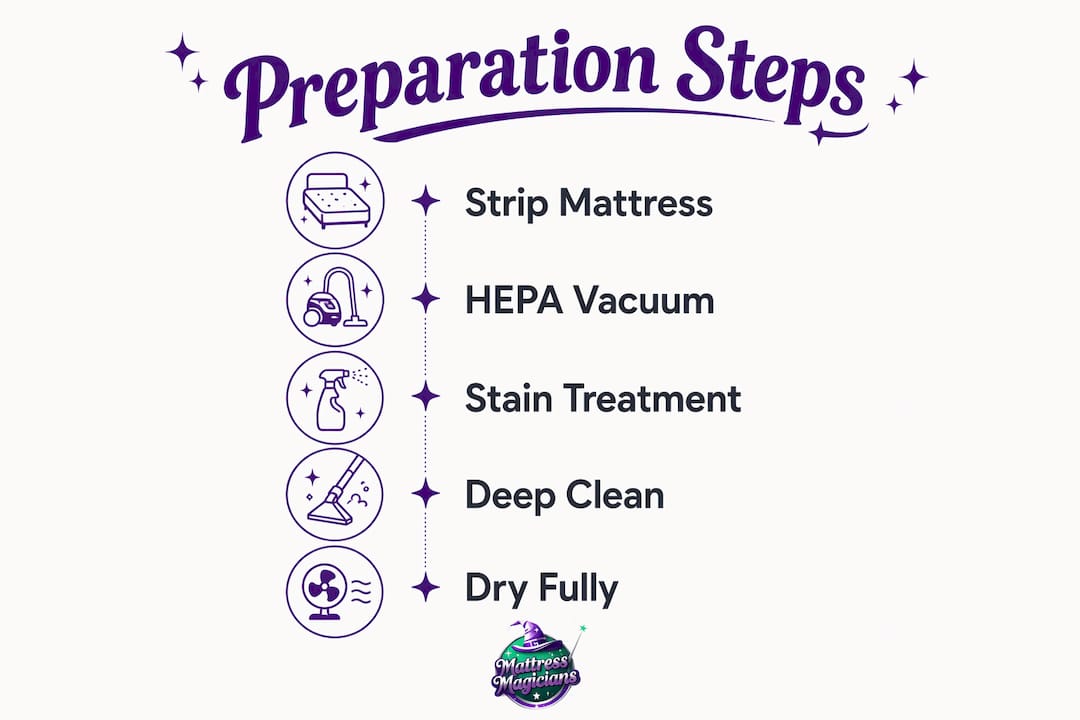
Strip the bed the moment a guest checks out. Old linens left sitting even a few hours allow moisture and skin cells to settle deeper into the mattress fabric, making your next cleaning harder. Pull the protector too, and bag everything for a hot-water wash before you touch anything else.
- Remove all bedding and protectors immediately after checkout to prevent cross-contamination.
- Vacuum with a HEPA-filter vacuum, hitting seams, tufts, and crevices where dust mites and allergens concentrate.
- Spot clean stains by blotting, never rubbing. Use a hospital-grade enzymatic cleaner; blotting without over-wetting prevents deeper contamination and secondary mold growth.
- Air the mattress out for at least 15–20 minutes between stripping and remaking. Open a window if possible. A stale room makes even fresh sheets smell off.
- Inspect for sagging, odor, or staining that survived cleaning. Visible sagging beyond 1.5 inches, persistent odor, or guest complaints about sleep quality are your signals to escalate.
- Apply a fresh waterproof protector. For properties with heavy turnover, full zippered encasements outperform fitted-sheet protectors against bed bugs and allergen buildup.
- Document your process. A written cleaning protocol aligned with hospitality standards protects you legally and builds credibility with guests who read your listing carefully.
When DIY methods aren’t cutting it, Mattressmagicians offers professional mattress sanitization for Twin Cities rental properties, handling deep stain removal and allergen extraction that standard housekeeping simply can’t reach.
Routine maintenance that keeps rental mattresses lasting longer
Short-term rental mattresses typically last 3–5 years, compared to 7–10 years for residential ones. That compressed lifespan is entirely predictable given the turnover volume, and it makes scheduled maintenance non-negotiable rather than optional.
Cleaning frequency that actually works:
- Routine inspection and HEPA vacuuming regularly throughout the year, or during seasonal deep cleans, to remove surface dust, hair, and early pest signs.
- Periodic rotation at appropriate intervals to distribute wear evenly and prevent permanent body impressions.
- Professional deep cleaning on a biannual basis or as recommended for the property’s usage level. Standard vacuums can’t reach embedded allergens, bacteria, and body oils. Professional systems use targeted extraction and steam sanitation to lift what housekeeping leaves behind.
- Emergency spot treatment immediately on discovery. Waiting even an hour lets organic stains set and odor compounds bond to fabric fibers.
Pro Tip: Never remake a bed over a damp mattress. Use a fan or open windows after any wet treatment, and confirm the surface is fully dry before adding the protector. Moisture trapped under a cover is how mold starts, and mold usually means replacement.
Steam sanitation at around 178°F combined with HEPA vacuuming and wet extraction effectively reduces bacteria, allergens, and odors. That combination is what separates a professional service visit from a housekeeper running a standard vacuum over the surface.
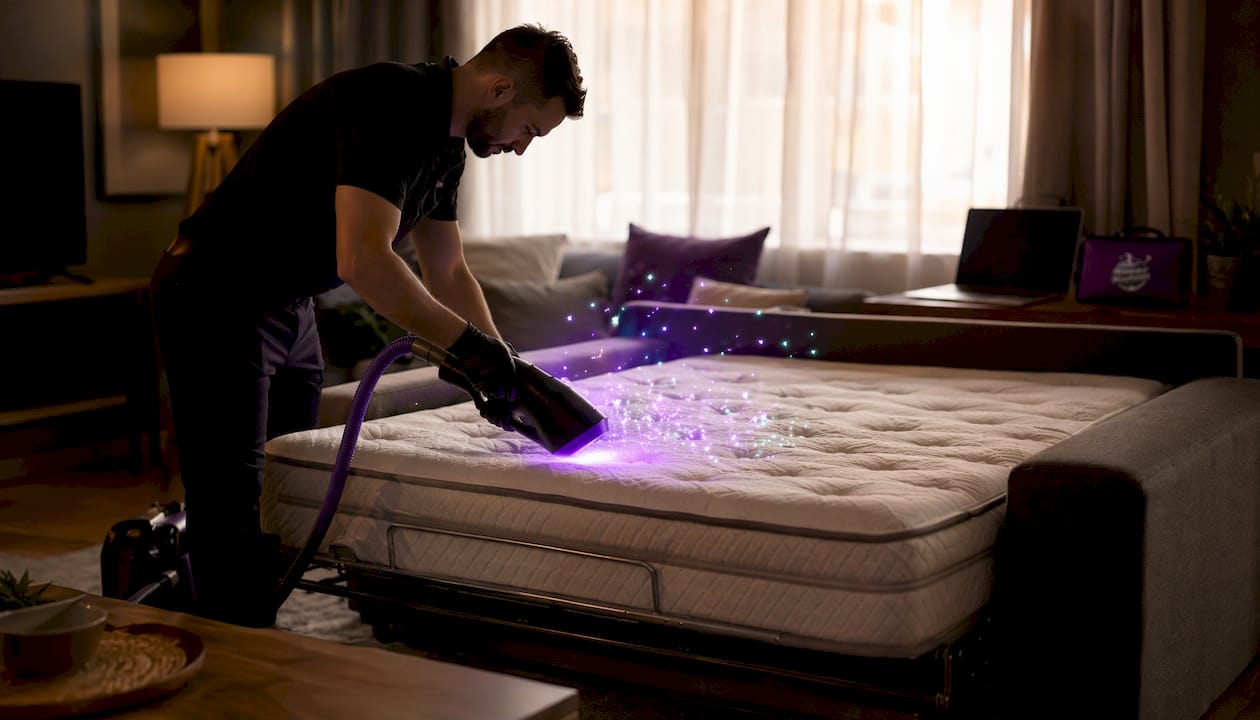
For Twin Cities hosts, Minnesota’s humidity swings matter; following the commercial water damage cleanup steps for property managers can help mitigate moisture-related mattress issues. Summer humidity accelerates moisture retention in mattress foam; winter dry air increases static and dust accumulation. Store spare mattresses in climate-controlled spaces, and factor seasonal humidity into your deep-cleaning schedule.
Guest feedback drives replacement decisions as much as physical inspection does. Track review language monthly. Phrases like “uncomfortable bed,” “poor sleep,” or “sore back” are early warnings that show up before visible sagging does. Pair that data with your inspection log and you’ll make smarter calls on when to clean versus when to replace.
Residential mattresses use lower-density foams (1.2–1.5 lb/ft³) compared to commercial-grade builds at 1.8–2.5 lb/ft³. If you’re running a rental with a consumer mattress, expect faster degradation and likely a voided warranty. Budget for the replacement cycle accordingly.
For property managers handling multiple units, the post-tenant mattress refresh guide from Mattressmagicians covers turnover workflows specific to the Twin Cities market. And if allergen control is a recurring issue, the allergen removal workflow walks through professional-grade steps for each mattress type.
Mattress hygiene isn’t just a cleaning expense. It’s reputation management. Properties with consistent deep-cleaning protocols earn better reviews, and better reviews reduce the pressure to discount nightly rates.
When your next turnover needs more than a vacuum and a fresh protector, Mattressmagicians brings professional extraction, sanitization, and odor removal directly to your Twin Cities property. Same-week availability, no equipment to rent, no guesswork.
Key Takeaways
Preparing mattresses for new residents requires immediate stripping, HEPA vacuuming, enzymatic stain treatment, thorough drying, and a fresh waterproof encasement before every guest stay.
| Point | Details |
|---|---|
| Replace protectors every stay | Wash protectors on hot cycle between every guest; use zippered encasements for high-turnover properties. |
| Deep clean twice a year | Professional extraction twice yearly removes allergens and bacteria that standard vacuums cannot reach. |
| STR mattress lifespan is 3–5 years | Short-term rental mattresses wear out faster than residential ones; budget for replacement accordingly. |
| Track guest feedback monthly | Review language about sleep discomfort often precedes visible sagging as a replacement signal. |
| Never over-wet during cleaning | Excess moisture causes mold; always confirm the mattress is fully dry before remaking the bed. |
FAQ
How often should rental mattresses be professionally cleaned?
Professional deep cleaning twice a year is the hospitality industry standard, combined with routine HEPA vacuuming every 2–3 months. High-turnover properties may need more frequent service.
When should a short-term rental mattress be replaced?
Short-term rental mattresses should be replaced every 3–5 years, compared to 7–10 years for residential use. Sagging that is visibly pronounced, persistent odor after cleaning, or repeated guest complaints are clear signals to act sooner.
What’s the best way to handle a urine or fluid stain between guest stays?
Blot immediately with dry towels, apply an enzymatic cleaner, and allow the area to dry completely before remaking the bed. Rubbing or over-wetting pushes the stain deeper and risks mold growth beneath the surface.
Do mattress protectors eliminate the need for deep cleaning?
No. Protectors reduce liquid penetration but don’t stop allergens, body oils, and fine particles from accumulating in the mattress over time. The mattress beneath still needs professional assessment at least twice a year.
How do I control allergens in a high-turnover rental mattress?
Use full zippered encasements, vacuum with a HEPA-filter vacuum every 2–3 months, and schedule professional anti-allergen treatments. For guests with sensitivities, Mattressmagicians offers targeted allergen-focused mattress care in the Twin Cities area.

