
TL;DR:
- Family safe cleaning involves using certified, lower-toxicity products with proper ventilation and secure storage.
- Routine cleaning uses soap and water, reserving disinfectants like hydrogen peroxide or diluted bleach for high-risk situations.
- Professional deep cleaning is necessary when DIY methods cannot eliminate deep-seated allergens or odors in mattresses and upholstery.
Family safe cleaning is defined as using lower-toxicity, certified products combined with proper ventilation and safe storage to protect children and pets from harmful chemical exposure. This is not just a preference. Children breathe faster relative to their body weight and spend more time on floors where residues settle, which makes their exposure to cleaning chemicals significantly higher than adults. Certifications like EPA Safer Choice, Green Seal, Made Safe, and EWG Verified exist precisely to help parents cut through marketing claims and choose products that have been independently evaluated for safety. The family safe cleaning tips in this guide cover product selection, safe disinfection, natural alternatives, and storage practices that actually protect the people you love most.
1. What are the safest certified cleaning products for family use?
Certified products are the fastest way to reduce guesswork when buying cleaners. Four labels carry real weight: EPA Safer Choice, Green Seal, Made Safe, and EWG Verified. Each requires manufacturers to disclose and vet ingredients for lower toxicity and reduced environmental impact. A product with one of these labels has cleared a bar that most store-brand cleaners never face.
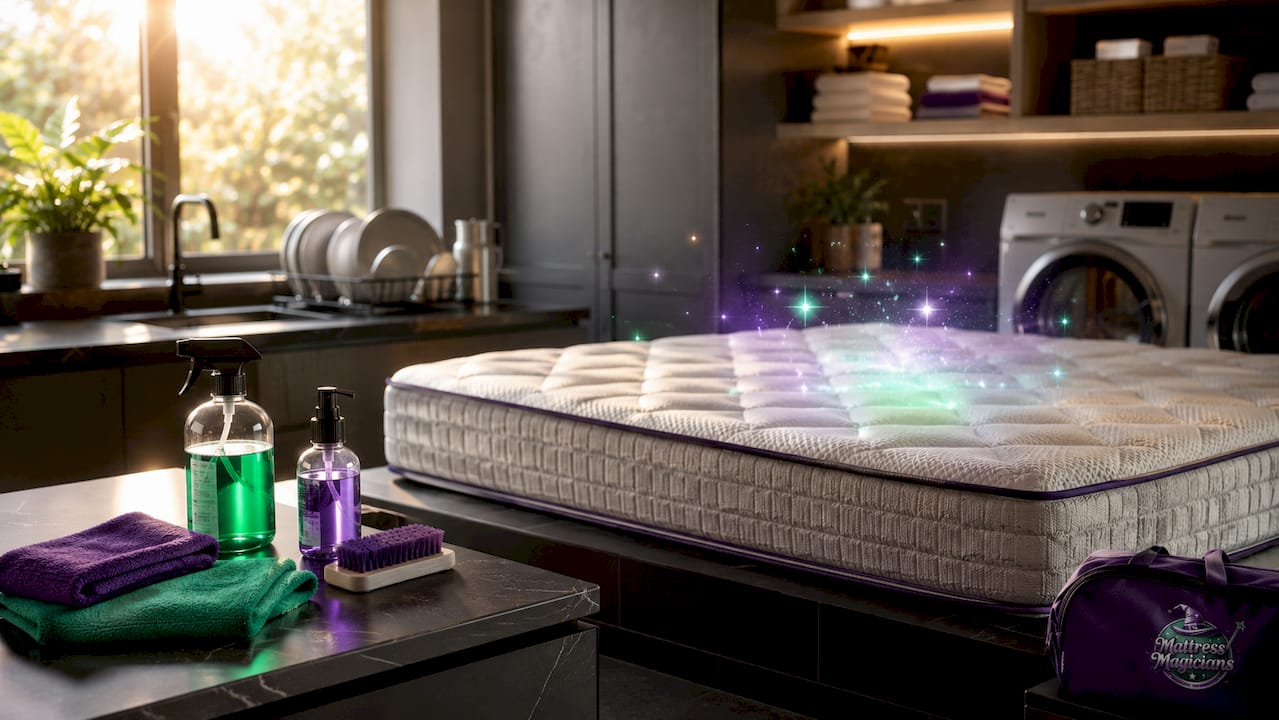
Reading the ingredient list matters even on certified products. Avoid anything listing “fragrance” as a catch-all term, since that single word can represent dozens of undisclosed synthetic compounds. Also watch for chlorine bleach in multi-surface sprays, quaternary ammonium compounds in everyday cleaners, and glycol ethers in glass cleaners. These are not banned, but they carry higher risk in homes where children crawl and mouth surfaces.
When shopping, prioritize:
- EPA Safer Choice label for all-purpose cleaners, dish soaps, and laundry detergents
- Green Seal certification for products used in larger quantities like floor cleaners
- Made Safe seal for products used near skin or bedding
- EWG Verified for personal care and cleaning crossover products
Pro Tip: Choose fragrance-free or naturally scented products over artificially scented ones. Synthetic fragrances are a leading source of indoor volatile organic compounds (VOCs), and scent-free is the safest choice for children’s respiratory health.
The market pushes families to buy a different cleaner for every surface. That is a myth worth rejecting. A handful of certified, simple products handles most household cleaning without stacking up chemical risks.
2. How to safely clean and disinfect in a family home
Cleaning and disinfecting are not the same thing. Cleaning removes dirt, grease, and most pathogens using soap, water, and physical scrubbing. Mechanical cleaning with soap and water is the right choice for daily household use. Disinfecting kills specific germs on a surface and should be reserved for high-risk situations: after a stomach illness, after a pet accident, or when someone in the home is immunocompromised.
When disinfecting is genuinely needed, the safest active ingredients are:
- 3% hydrogen peroxide sprayed directly on a pre-cleaned surface and left to dwell before wiping
- Citric acid-based disinfectants registered with the EPA, effective and lower in toxicity
- Ethanol (70%) for hard surfaces and electronics, fast-evaporating and low residue
- Diluted bleach (one-third cup per gallon of water) for high-touch surfaces, used with open windows and gloves
Always clean the surface with soap and water before applying a disinfectant. Organic residue like grease or grime blocks the active ingredient from reaching germs. Dwell time is non-negotiable: check the product label and keep the surface wet for the full required time before wiping.
Never mix disinfectants. Bleach combined with ammonia produces chloramine gas. Bleach mixed with hydrogen peroxide creates a corrosive reaction. Both are dangerous in enclosed spaces. After using any disinfectant on items children touch, rinse the surface with clean water and allow it to dry fully before contact.
3. What natural and DIY cleaning methods are safe around kids and pets?
Most routine household cleaning does not require store-bought products at all. Plant-derived ingredients like vinegar, baking soda, castile soap, and water handle the majority of everyday messes without leaving chemical residues on surfaces where children play. This is not a compromise on cleanliness. It is a smarter use of what works.
Two recipes worth keeping on hand:
- All-purpose spray: Mix equal parts white distilled vinegar and water in a spray bottle. Add a few drops of castile soap for grease-cutting power. Use on counters, sinks, and stovetops.
- Baking soda paste: Combine baking soda with just enough water to form a thick paste. Apply to tough grime on grout, tubs, or oven surfaces. Scrub and rinse clean.
These mixtures are effective for routine cleaning. They are not registered disinfectants. Do not use them as substitutes after a stomach illness or a pet accident where actual germ-killing is required.
Pro Tip: Skip essential oils in DIY cleaners if you have young children or pets at home. Oils like tea tree, eucalyptus, and peppermint can irritate airways and are toxic to cats and some dogs even in small amounts.
Store DIY cleaners in labeled, opaque bottles out of children’s reach. Vinegar and castile soap are far safer than commercial products, but even natural ingredients can harm eyes or cause stomach upset if swallowed. Treat them with the same storage discipline as any other cleaner.
4. What safety practices protect children and pets during and after cleaning?
Safe product choices mean nothing if storage and handling habits create risk. The “High-and-Locked” rule is the single most important physical safety habit: store all cleaning agents in childproof locked cabinets that are both out of reach and out of sight. “Nontoxic” on a label does not mean harmless if ingested by a toddler.
Key safety practices for every cleaning session:
- Never leave products unattended while in use. A spray bottle left on a counter for two minutes is enough time for a curious child to reach it.
- Open windows and run exhaust fans during and for at least 15 minutes after cleaning. This applies even to certified low-toxicity products.
- Avoid synthetic fragrances in air fresheners, candles, and cleaning sprays. Synthetic fragrance compounds are a major source of indoor VOCs that irritate children’s lungs.
- Use a sealed HEPA-filter vacuum rather than a standard vacuum. HEPA-filter vacuums remove dust and allergens without redistributing them back into the air. Standard vacuums often do the opposite.
- Steam clean when possible. Superheated dry steam sanitizes surfaces and kills dust mites without any chemical application, making it ideal for mattresses, upholstery, and rugs.
- Post the Poison Control number (1-800-222-1222) inside a cabinet door. Accidents happen even in careful homes.
Pro Tip: Clean when children and pets are out of the room. Allow surfaces to dry completely before letting them back in. This single habit cuts exposure more than any product swap.
For Twin Cities families, Minnesota winters mean homes stay sealed for months. That makes indoor air quality a year-round concern, not just a summer issue. Ventilation during cleaning is not optional in a climate where windows stay shut from november through march.
5. How to reduce allergens in bedrooms and sleeping areas
Bedrooms carry a disproportionate allergen load. Dust mites, pet dander, and dead skin cells accumulate fastest in mattresses, pillows, and upholstered headboards. A child who spends 10 hours a night on a mattress is breathing whatever lives inside it. Reducing bedroom allergens is one of the highest-impact moves a parent can make for their child’s respiratory health.
Wash all bedding in hot water (at least 130°F) weekly. Use allergen-proof mattress and pillow encasements. Vacuum the mattress surface monthly with a sealed HEPA-filter vacuum. These steps reduce surface-level buildup, but they do not reach the interior of a mattress where the heaviest dust mite colonies live.
Minimizing chemical exposure in the bedroom matters just as much as cleaning it. Conventional mattress sprays and fabric fresheners often contain synthetic fragrances and VOC-emitting compounds. Choosing low-chemical sleep products and avoiding aerosol sprays near sleeping surfaces protects the air your child breathes all night.
6. When DIY cleaning is not enough
DIY methods have a clear ceiling. Soap, vinegar, and baking soda handle surface-level dirt well. They do not penetrate deep into mattress foam, carpet padding, or upholstery fibers where urine, pet dander, and mold spores settle. When a pet accident soaks through to the mattress core, or when a child’s allergy symptoms persist despite regular cleaning, the problem is below the surface.
Non-toxic cleaning approaches that use steam and mechanical extraction reach where sprays cannot. Professional-grade equipment operates at temperatures and pressures that home tools simply do not match. This is not a knock on DIY effort. It is a recognition that some problems require different tools.
Families in Minneapolis and St. Paul often discover this after a pet accident or a sick child leaves a mattress stained and odorous. Surface cleaning masks the smell temporarily. The source remains. That is when professional mattress sanitization becomes the practical, not the premium, choice.
Key takeaways
Non-toxic, certified cleaning products combined with proper ventilation and the “High-and-Locked” storage rule form the foundation of a genuinely safe home cleaning routine for families with children and pets.
| Point | Details |
|---|---|
| Choose certified products | Look for EPA Safer Choice, Green Seal, Made Safe, or EWG Verified labels to confirm lower toxicity. |
| Clean first, disinfect second | Use soap and water for daily cleaning; reserve disinfectants like hydrogen peroxide or diluted bleach for high-risk situations only. |
| DIY has limits | Vinegar, baking soda, and castile soap handle routine messes but cannot replace registered disinfectants or professional deep cleaning. |
| Store everything locked and high | The “High-and-Locked” rule prevents accidental poisoning, even from products labeled nontoxic. |
| Ventilate every time | Open windows and run fans during and after every cleaning session to protect children’s respiratory health from VOCs. |
What I’ve learned about safe cleaning after years in family homes
The biggest mistake I see parents make is treating “natural” as a synonym for “safe in any quantity.” Vinegar is natural. So is tea tree oil. Both can cause real harm if a toddler gets into them. The label on the bottle is not a permission slip to skip safe storage habits.
The second mistake is over-disinfecting. Experts consistently point to handwashing as the most effective infection-prevention tool in a household. Spraying disinfectant on every surface every day does not add meaningful protection. It adds chemical load. Soap, water, and a clean cloth handle 90% of what a family home needs on a daily basis.
Where I think most cleaning guides fall short is the bedroom. Parents spend real effort on kitchens and bathrooms, then ignore the mattress where their child sleeps for a third of their life. A mattress accumulates years of sweat, skin cells, pet dander, and dust mites in a way that no weekly wipe-down addresses. That is where professional cleaning earns its place in a family’s routine. It is not a luxury. It is the part of home hygiene that DIY genuinely cannot replicate.
Safe cleaning is achievable without a cabinet full of products. A few certified cleaners, a locked storage habit, and a commitment to ventilation get you most of the way there. The rest is knowing when to call in tools that go deeper than a spray bottle can reach.
— Phillip
Mattressmagicians and your family’s sleep environment
Mattressmagicians serves families across Minneapolis, St. Paul, Woodbury, and the wider Twin Cities metro with professional mattress cleaning and sanitization that complements everything you do at home. When pet accidents, urine stains, or persistent odors go beyond what surface cleaning can fix, the team uses non-toxic, professional-grade methods to extract what has settled deep inside your mattress. The mattress sanitization service targets dust mites, bacteria, and allergens without harsh chemical residues, making it a natural fit for households with young children or allergy-sensitive family members. For stains and odors that have already set in, the stain and urine removal service handles what DIY methods leave behind. Book directly at mattressmagicians.com.
FAQ
What does “family safe cleaning” actually mean?
Family safe cleaning means using lower-toxicity, certified products with proper ventilation and secure storage to reduce chemical exposure risks for children and pets. It prioritizes mechanical cleaning with soap and water for daily use and reserves stronger disinfectants for high-risk situations only.
Are natural cleaners like vinegar and baking soda truly safe for kids?
Vinegar and baking soda are safer than most commercial cleaners for routine use, but they are not harmless if ingested or if they contact eyes. Always store them in labeled, locked cabinets out of children’s reach, just as you would any other cleaning product.
When should I disinfect instead of just clean?
Disinfect after a stomach illness, a pet accident, or when someone in the home is immunocompromised. For everyday messes, soap and water cleaning removes dirt and most pathogens without the added chemical exposure of a registered disinfectant.
How do I reduce allergens in my child’s mattress?
Wash bedding weekly in hot water, use allergen-proof encasements, and vacuum the mattress monthly with a sealed HEPA-filter vacuum. For deeper allergen and dust mite removal, professional mattress sanitization reaches interior layers that surface cleaning cannot.
What is the Poison Control number for cleaning accidents?
The national Poison Control number is 1-800-222-1222. Post it inside a cabinet door where cleaning products are stored so it is immediately accessible in an emergency.

