
TL;DR:
- A safe sleep environment involves a firm, flat mattress in a clutter-free crib and room-sharing without bed-sharing. Managing allergens through humidity control, HEPA filtration, and professional cleaning reduces dust mites, pet dander, and VOCs effectively. Consistent practices across safety, allergen management, and mattress hygiene create healthier, safer sleep spaces for children.
A safe sleep environment is a firm, flat, and hazard-free space that protects infants and children while minimizing allergen and chemical exposure in the bedroom. The American Academy of Pediatrics (AAP) and the Environmental Protection Agency (EPA) both set clear standards for what that looks like in practice. Most parents focus on the obvious risks like loose blankets or pillows, but the less visible threats, such as dust mites, pet dander, and VOCs from cleaning products, matter just as much. Defining safe sleep environments means addressing all of it at once. Mattressmagicians works with Twin Cities families every week who are surprised by how much their mattress contributes to the problem.
What are the critical infant sleep safety guidelines?
The AAP’s current recommendations are specific and non-negotiable. Infants must sleep on a firm, flat surface, on their backs, in a separate crib or bassinet placed in the parent’s room. Room-sharing without bed-sharing reduces SIDS risk by up to 50%. That single change, keeping the baby close but not in the same bed, is the highest-impact decision a caregiver can make.
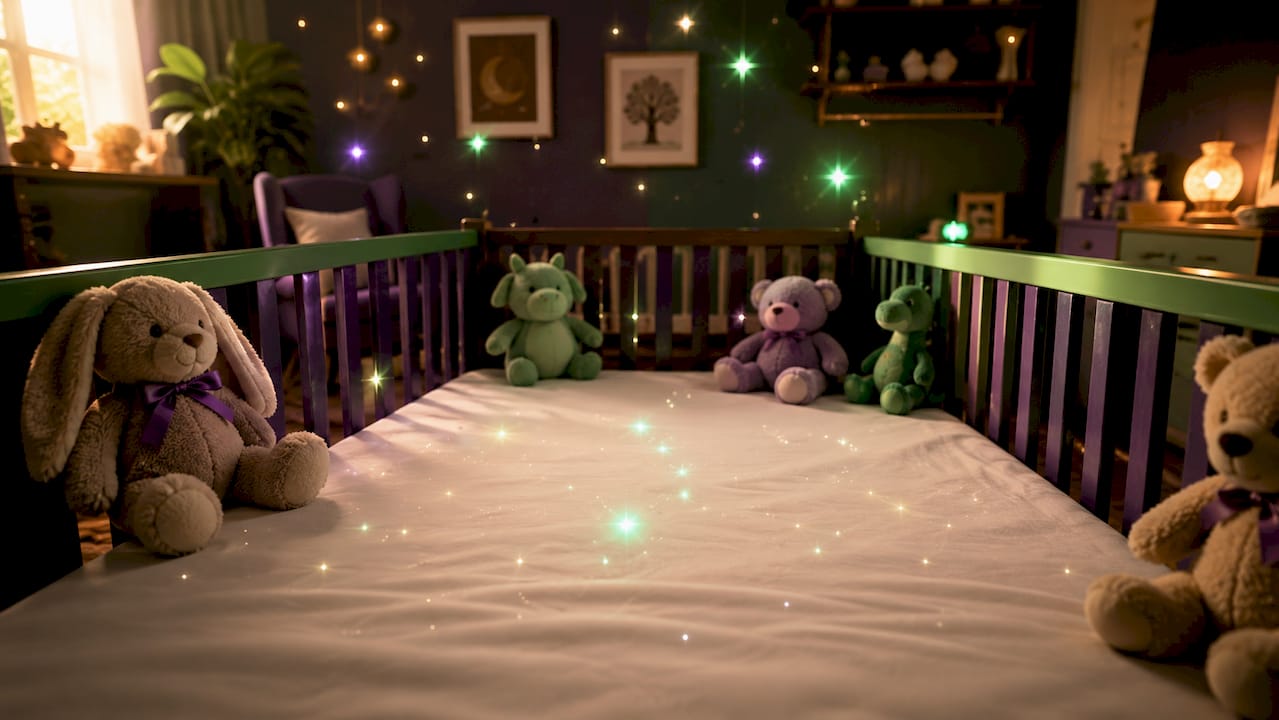
Loose bedding, stuffed animals, and soft bumper pads all create suffocation hazards. The sleep surface itself must be flat, not inclined. Many parents assume a slight recline is harmless, but the AAP is clear: inclined sleepers and in-bed nests do not meet federal safety standards and have been linked to infant deaths.
The safest setup looks like this:
- Firm, flat mattress in a crib or bassinet that meets current Consumer Product Safety Commission (CPSC) standards
- No loose bedding, pillows, bumpers, or soft toys inside the sleep space
- Back sleeping position for every sleep, including naps
- Room-sharing with parents for at least the first 6 months, ideally 12 months
- No inclined sleepers or in-bed nests, which lack federal safety standards and increase risk
Pro Tip: Check that your crib mattress does not compress more than an inch under your baby’s weight. If it does, it is too soft and needs to be replaced.
Caregiver compliance is the real challenge. Grandparents and other caregivers often use older practices like side sleeping or padded bumpers. A short, direct conversation backed by AAP guidance makes a difference. Print the guidelines and keep them visible near the crib.
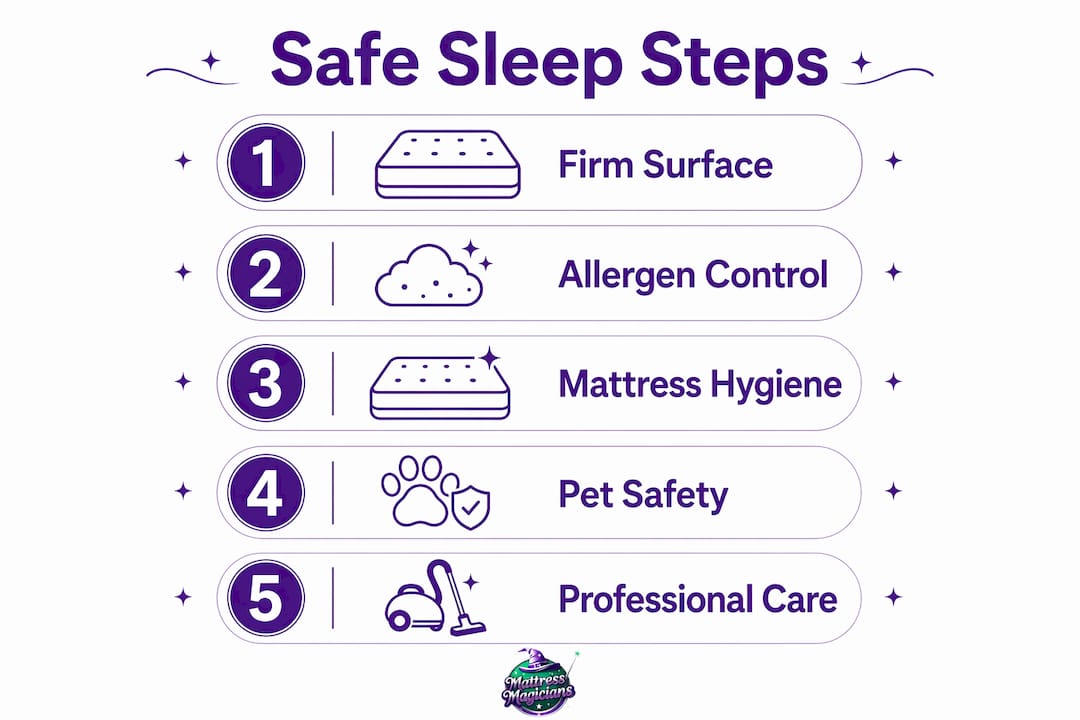
How can parents manage allergens and air quality for healthy sleep?
Allergen control is not optional for families with infants, young children, or pets. The EPA recommends maintaining indoor relative humidity between 30% and 50% to inhibit dust mite reproduction. Humidity below 35% for most of the day can nearly eliminate dust mite populations entirely. A basic digital hygrometer costs under $15 and tells you exactly where your bedroom stands.
Air purifiers with true HEPA filtration are the next layer of defense. HEPA filters capture 99.97% of particles down to 0.3 microns, including pet dander and pollen. That matters because airborne allergens do not settle quickly. A bedroom without filtration recirculates the same particles all night long.
Source control, however, matters more than purification alone. The EPA notes that indoor air quality depends more on source control than purification. Removing the allergen source beats filtering it after the fact. Here is a practical step-by-step approach:
- Control humidity. Use a dehumidifier or air conditioner to keep bedroom humidity between 30% and 50% year-round.
- Run a HEPA air purifier. Place it near the bed, not across the room. Change filters on schedule.
- Switch to fragrance-free cleaning products. VOCs from scented sprays and air fresheners irritate airways, especially in infants. Learn more about chemical exposure in bedrooms and why it matters.
- Use certified allergen-proof mattress and pillow encasements. The word “hypoallergenic” is unregulated. Look for encasements with a tight, certified weave instead.
- Wash bedding weekly in hot water, then dry on high heat. High-heat drying at 130°F or above kills dust mites. Hot water washing alone does not.
Pro Tip: Paint your nursery or child’s bedroom at least 8 weeks before the baby arrives. Fresh paint off-gasses VOCs for weeks. Low-VOC paint reduces this, but time is the most reliable solution.
Allergen-proof encasements deserve a closer look. The term “hypoallergenic” is unregulated, so marketing labels mean little. What matters is the pore size of the fabric weave. Certified encasements from organizations like the Asthma and Allergy Foundation of America block allergen particles reliably. Pair them with weekly washing and you have a strong barrier system.
What mattress hygiene practices create safer sleep spaces?
The mattress is the most overlooked allergen reservoir in the bedroom. Dust mites feed on shed skin cells and thrive in the warm, humid environment inside a mattress. A mattress that has never been professionally cleaned can harbor millions of mites and their waste particles, which are the actual allergen trigger.
Vacuuming helps, but only with the right equipment. Standard vacuums can redistribute allergens by blowing fine particles back into the air. A HEPA-filter vacuum traps those particles instead of spreading them. Vacuum the mattress surface monthly, paying attention to seams and edges where mites concentrate.
Here is what a complete mattress hygiene routine looks like:
- Vacuum monthly with a HEPA-filter vacuum, focusing on seams and tufts
- Wash all bedding weekly and dry at 130°F or above to kill dust mites
- Replace pillows every 1–2 years. Pillows accumulate mites and mold faster than mattresses
- Use certified allergen-proof encasements on both the mattress and pillows
- Air out the mattress by pulling back covers for 20–30 minutes each morning to reduce moisture buildup
DIY cleaning has real limits. Baking soda and vacuuming address surface odors but do not reach the mite colonies living deeper in the mattress layers. Professional mattress sanitization uses heat and specialized equipment to penetrate those layers. Mattressmagicians provides professional mattress sanitization that targets dust mites and bacteria at the source, not just the surface.
Signs that a mattress needs professional attention or replacement include persistent odors after cleaning, visible staining that has soaked through to the core, and worsening allergy symptoms despite good surface hygiene. A mattress that smells after washing is telling you something is living inside it.
How do you create pet-safe sleep areas for families?
Pets and children can share a home comfortably, but the bedroom requires clear boundaries. Keeping pets out of the bedroom is the single highest-impact change for reducing pet allergen exposure. Pet dander is remarkably sticky. It clings to fabric, floats in air currents, and settles into bedding within minutes of a pet entering the room. Even after a pet is removed, allergen levels take weeks to drop significantly without active cleaning.
For families who allow pets in the bedroom, the following practices reduce exposure meaningfully:
- Bathe pets every 1–2 weeks to reduce the amount of dander shed into the environment
- Groom pets outside or in a non-bedroom area to prevent dander from spreading to sleep surfaces
- Remove fabric rugs and heavy curtains from the bedroom. These trap dander and are difficult to clean thoroughly
- Change into dedicated sleep clothes before getting into bed. Clothing carries pet allergens directly onto bedding, and changing clothes before bed is one of the most effective non-chemical strategies available
- Run a HEPA air purifier continuously in the bedroom, not just at night
Managing pet dander in bedding requires a consistent routine, not a one-time fix. Allergen levels build up gradually and drop gradually. Families who see the best results treat it as a weekly system rather than an occasional deep clean.
Key Takeaways
A safe sleep environment requires combining hazard-free surfaces, allergen control, and consistent mattress hygiene into one coordinated routine.
| Point | Details |
|---|---|
| Firm, flat surface for infants | AAP guidelines require a separate crib with a firm, flat mattress and no loose bedding. |
| Room-sharing cuts SIDS risk | Keeping a crib in the parent’s room for 6–12 months reduces SIDS risk by up to 50%. |
| Humidity controls dust mites | Keeping bedroom humidity between 30% and 50% inhibits dust mite reproduction significantly. |
| HEPA filtration and source control | True HEPA purifiers capture 99.97% of particles; source control reduces allergens before they spread. |
| Professional cleaning fills the gap | DIY vacuuming and washing do not reach deep mite colonies; professional sanitization does. |
What I have learned from years of watching families get this wrong
Parents do an impressive job of following the visible rules. The crib is set up correctly. The bumpers are removed. But the mattress underneath the fitted sheet is often years old, never professionally cleaned, and loaded with allergens that no amount of surface washing will fix.
The other thing I see constantly is the chemical problem. Families buy scented laundry detergent, spray air fresheners, and use heavily fragranced cleaning products, then wonder why their child wakes up congested every morning. The bedroom should be the least chemically loaded room in the house. That means fragrance-free everything, low-VOC paint, and cleaning products that do not off-gas overnight.
The pet situation is the hardest conversation. People love their animals and do not want to hear that the dog sleeping at the foot of the bed is driving their child’s allergy symptoms. But the data is clear. Exclusion zones work. Changing clothes before bed works. Consistent grooming works. None of it works perfectly, but together they make a real difference.
My honest advice: treat safe sleep as a system, not a checklist. The AAP guidelines handle the infant safety piece. Allergen management handles the air quality piece. Professional mattress care handles what you cannot see or reach on your own. All three matter, and skipping any one of them leaves a gap.
— Phillip
Professional mattress care as part of your safe sleep plan
Families in Minneapolis and the surrounding Twin Cities area have access to same-week professional mattress cleaning from Mattressmagicians. The service targets dust mites, allergens, odors, and stains at the source, going deeper than any home vacuum or spray can reach.
Mattressmagicians brings the equipment to you. No hauling, no waiting, no guesswork about whether the job was done right. For parents managing infant sleep safety, pet allergens, or persistent mattress odors, professional cleaning is the step that makes everything else work better. Book a service at mattressmagicians.com/services/mattress-cleaning and see what a truly clean mattress feels like.
FAQ
What is a safe sleep environment for infants?
A safe sleep environment is a firm, flat surface in a separate crib or bassinet, with no loose bedding, toys, or soft objects. The AAP recommends back sleeping and room-sharing with parents for at least the first 6 months.
How do I reduce dust mites in my child’s bedroom?
Keep indoor humidity between 30% and 50%, wash bedding weekly, and dry it at 130°F or above. Use certified allergen-proof encasements on mattresses and pillows, and vacuum monthly with a HEPA-filter vacuum.
Are in-bed sleepers and baby nests safe?
No. In-bed sleepers and nests lack federal safety standards and have been linked to infant deaths. A firm, flat crib mattress is the only safe option.
How often should a mattress be professionally cleaned?
Most families benefit from professional cleaning once or twice a year. Households with pets, allergy sufferers, or young children may need more frequent service to keep allergen levels under control.
Does keeping pets out of the bedroom actually help with allergies?
Yes. Keeping pets out of the bedroom is the highest-impact single change for reducing pet allergen exposure. Because dander is sticky and persistent, it takes several weeks of exclusion combined with active cleaning for allergen levels to drop noticeably.

