
TL;DR:
- Deep cleaning effectively reduces indoor allergens and improves allergy symptoms when performed consistently with layered methods. Regular use of HEPA filtration, textile washing, and professional mattress cleaning keeps allergen levels low over time. A multi-component, sustained approach offers the best chance for long-term allergy relief.
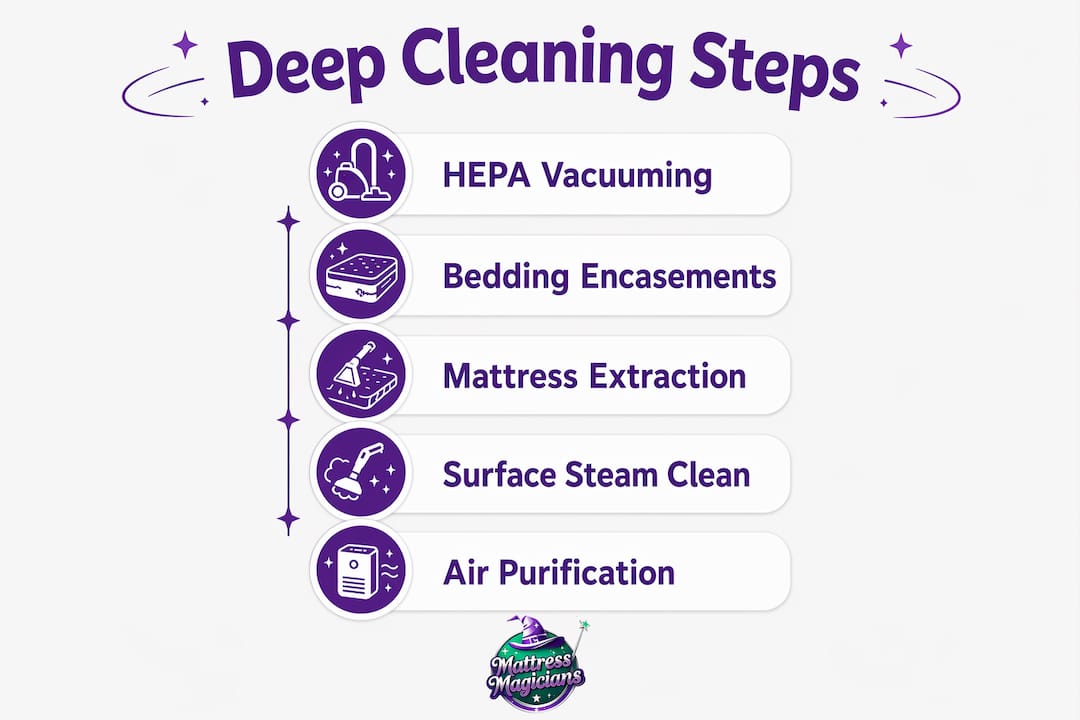
Deep cleaning is defined as the systematic removal of allergens from surfaces, textiles, and air using targeted methods such as HEPA filtration, hot-water extraction, and encasement protocols. The role of deep cleaning in allergy relief is not cosmetic. It directly reduces the concentration of dust mites, pet dander, and particulate matter that trigger sneezing, congestion, and asthma attacks. Clinical evidence confirms that multi-component cleaning produces 50–80% symptom improvement over 4–6 months. Single interventions, like washing sheets alone, rarely move the needle. For allergy sufferers across Minneapolis, St. Paul, and the wider Twin Cities metro, understanding this distinction is the first step toward real, lasting relief.
What does the clinical evidence say about deep cleaning and allergy relief?
The science is clear: deep cleaning works when it is sustained and layered. A 2026 longitudinal trial found that combining a HEPA H14 air purifier with environmental management increased symptom-free days by 27.7% and reduced indoor PM2.5 by 29.6 µg/m³ over eight months in adults with moderate-to-severe asthma. That is not a marginal gain. It represents weeks of better breathing across a full season.
Bedding encasements illustrate the nuance well. They reduce dust mite allergens by up to 98%, which sounds definitive. Yet encasements alone do not consistently improve clinical symptoms of allergic rhinitis or asthma. The allergen load drops, but the body’s inflammatory response does not reset without broader environmental control. This is why researchers consistently favor multi-component approaches over any single fix.
Regular cleaning routines that target dust, allergens, and irritants together have been shown to decrease poorly controlled asthma cases from 27% to 10%. That reduction reflects what happens when cleaning becomes a system rather than a reaction to symptoms.
| Intervention type | Allergen reduction | Symptom improvement |
|---|---|---|
| Bedding encasements only | Up to 98% dust mite allergen reduction | Inconsistent clinical improvement |
| HEPA air purifier + environmental management | 29.6 µg/m³ PM2.5 reduction | 27.7% more symptom-free days |
| Multi-component sustained cleaning | Broad allergen reduction across surfaces | 50–80% symptom improvement over 4–6 months |
| Single intervention (air purifier or sheet washing alone) | Partial reduction in one allergen source | Rarely improves symptoms meaningfully |
The table above shows why stacking interventions matters. No single tool solves the problem. Sustained, multi-front cleaning does.
What are the best deep cleaning methods for reducing common allergens?
Effective allergen reduction targets the specific sources hiding in your home. Each major allergen type responds to a different set of cleaning techniques, and knowing which method works for which allergen saves time and money.
Dust mite management
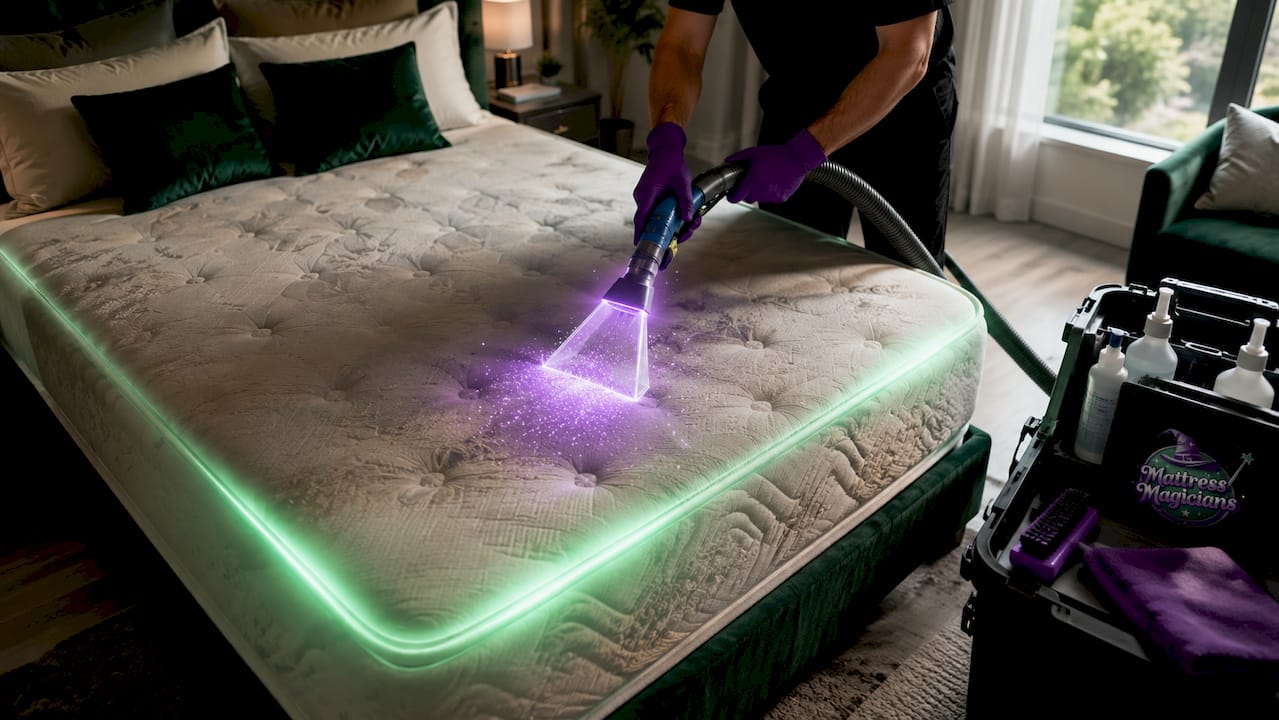
Dust mites thrive in mattresses, pillows, and upholstered furniture. The Twin Cities’ cold winters push people indoors for months, which concentrates exposure. A full dust mite protocol combines several actions:
- Encase mattresses and pillows in allergen-proof covers and wash them monthly in hot water (at least 130°F).
- HEPA vacuum mattresses, upholstered furniture, and carpets at least twice a week.
- Keep indoor humidity below 50% using a dehumidifier, since dust mites cannot survive in dry air.
- Wash all bedding weekly in hot water and dry on high heat.
The mattress deserves special attention. It is the single surface where most people spend 7–8 hours a night, and it accumulates dead skin cells, sweat, and mite colonies faster than any other textile in the home. A guide to dust mite-proof sleeping walks through the full protocol for bedrooms specifically.
Pet dander removal
Pet dander is sticky. It clings to walls, upholstery, and clothing long after a pet leaves a room. Reducing it requires:
- HEPA vacuuming all soft surfaces, including sofas, rugs, and curtains, at least three times per week.
- Washing pet bedding weekly in hot water.
- Bathing pets weekly to reduce the amount of dander shed into the home environment.
- Using a HEPA air purifier in rooms where pets spend the most time.
Carpet and hard surface cleaning
Hot-water extraction, commonly called steam cleaning, is the most effective method for removing allergens embedded deep in carpet fibers. Surface vacuuming alone does not reach the lower layers where mite fecal particles and dander accumulate. Hard floors should be damp-mopped rather than dry-swept, since dry sweeping launches particles back into the air.
Pro Tip: After deep cleaning carpets, run a HEPA air purifier in the room for at least two hours. Cleaning disturbs settled allergens, and the purifier captures what gets airborne before it resettles.
How do cleaning products affect indoor air quality and allergy symptoms?
Choosing the wrong cleaning product can make allergy symptoms worse, not better. Chemical vapors from standard cleaning products temporarily spike indoor VOC (volatile organic compound) levels. For someone with asthma or allergic rhinitis, that spike can trigger an attack within minutes of cleaning.
The solution is straightforward. Certified Asthma & Allergy Friendly® products remove allergens effectively while minimizing airborne dust and VOC emissions. The Asthma and Allergy Foundation of America runs the certification program, and products that carry the mark have been independently tested. Using certified products means you are not trading one respiratory irritant for another.
Vacuum type matters just as much as cleaning solution. HEPA vacuums with double-layered bags capture allergens during suction rather than exhausting them back into the room. Standard vacuums without HEPA filtration can actually increase airborne allergen levels during use. That is a common mistake that undoes the benefit of cleaning entirely.
Key product and technique choices for allergy sufferers:
- Replace aerosol sprays with pump sprays or wipes to reduce VOC dispersal.
- Choose microfiber cloths over dry dusters. Microfiber traps particles rather than scattering them.
- Look for the Asthma and Allergy Friendly® certification mark on vacuum cleaners, air purifiers, and cleaning solutions.
- Open windows during and after cleaning when outdoor pollen counts are low, to flush VOCs out of the space.
For a deeper look at how VOCs interact with mattress materials specifically, the guide on VOCs and mattress care covers what families need to know before choosing cleaning products for the bedroom.
Pro Tip: Check the Minnesota Pollution Control Agency’s daily air quality index before opening windows to ventilate after cleaning. On high-pollen or high-ozone days, keep windows closed and rely on your HEPA purifier instead.
How should deep cleaning be maintained for long-term allergy relief in the Twin Cities?
Deep cleaning is a maintenance rhythm, not a one-time event. Allergen reservoirs like mattresses and upholstered furniture re-accumulate quickly without consistent HEPA vacuuming and textile cleaning. One thorough clean does not protect you through a Minnesota winter.
Cat allergen makes this point sharply. Fel d 1, the primary cat allergen, persists for 4–6 months after a cat is removed from a home, even with active cleaning. Reducing it to a safe level requires HEPA vacuuming three times per week, running HEPA purifiers continuously, and washing all textiles regularly. That timeline surprises most people. It means someone moving into a previously cat-occupied apartment in Minneapolis could still react to allergens months later without an aggressive cleaning routine.
The Twin Cities’ seasonal patterns add another layer of complexity. Spring brings tree pollen from april through may. Grass pollen peaks in june and july. Ragweed dominates from late august through october. Each season deposits new allergens on outdoor clothing, shoes, and open windows, which then transfer to indoor surfaces. A cleaning schedule that accounts for these cycles keeps the indoor allergen load from compounding.
| Cleaning task | Recommended frequency | Expected outcome |
|---|---|---|
| HEPA vacuuming (carpets, furniture, mattresses) | 3 times per week | Reduces airborne allergen dispersal consistently |
| Bedding wash in hot water (130°F+) | Weekly | Kills dust mites and removes accumulated allergens |
| Mattress deep clean or professional service | Every 3–6 months | Removes deep-seated allergens not reached by surface vacuuming |
| HEPA air purifier filter replacement | Per manufacturer schedule | Maintains filtration efficiency and air quality |
| Carpet hot-water extraction | Every 3–6 months | Removes allergens embedded below the surface layer |
Pro Tip: Set calendar reminders tied to Twin Cities pollen seasons. Increase HEPA vacuuming frequency in april, june, and late august, when outdoor allergens spike and indoor transfer is highest.
Professional home cleaning services that specialize in allergen reduction can also support healthier indoor environments by reaching areas that routine cleaning misses, particularly in high-traffic rooms and soft furnishings.
Key Takeaways
Deep cleaning reduces allergy symptoms reliably only when it combines multiple methods, uses HEPA-certified tools, and repeats consistently over months rather than weeks.
| Point | Details |
|---|---|
| Multi-component cleaning works best | Combining HEPA vacuuming, encasements, and textile washing produces 50–80% symptom improvement. |
| Single interventions fall short | Encasements alone reduce dust mite allergens by 98% but rarely improve clinical symptoms on their own. |
| Product choice affects air quality | Certified Asthma & Allergy Friendly® products remove allergens without spiking indoor VOC levels. |
| Allergens persist longer than expected | Cat allergen remains active for 4–6 months after removal, requiring sustained aggressive cleaning. |
| Mattresses need dedicated attention | Deep cleaning mattresses every 3–6 months removes allergens that surface vacuuming cannot reach. |
What I’ve learned after years of watching allergy sufferers clean the wrong things
Most allergy sufferers in the Twin Cities focus on the wrong surfaces. They scrub countertops and mop floors while their mattress, which holds years of skin cells, sweat, and mite colonies, goes untouched for years. The floor gets cleaned because it looks dirty. The mattress gets ignored because it looks fine.
The research on allergen persistence changed how I think about this. When cat allergen can survive 4–6 months of active cleaning, it tells you something important: the problem is not effort, it is strategy. People clean hard but not smart. They use standard vacuums that redistribute allergens, aerosol sprays that spike VOCs, and dry dusters that launch particles into the air they are about to breathe.
The other misconception I see constantly is the idea that one deep clean solves the problem. It does not. A mattress cleaned once in march will be re-colonized by dust mites before summer ends if humidity stays high and vacuuming is infrequent. The clinical evidence backs this up. Symptom improvement in the 50–80% range comes from sustained multi-component routines, not a single Saturday cleaning session.
What actually works is boring: consistent HEPA vacuuming, certified products, hot water washing, and professional mattress cleaning on a regular schedule. The people who get lasting relief are the ones who treat allergen management the same way they treat any other maintenance task. They put it on the calendar and they do not skip it.
— Phillip
Professional mattress cleaning for allergy sufferers in the Twin Cities
Your mattress is the highest-allergen surface in your home, and it is the one most people never professionally clean. Mattressmagicians serves Minneapolis, St. Paul, Woodbury, and the surrounding Twin Cities metro with on-demand professional mattress cleaning that reaches allergens no home vacuum can touch.
The service uses professional-grade equipment to extract dust mites, pet dander, dead skin cells, and other allergens from deep within mattress layers. For allergy sufferers, this is not a luxury. It is the piece of the allergen reduction strategy that DIY cleaning cannot replicate. Mattressmagicians also offers mattress sanitization to eliminate bacteria and mite colonies at the source. Book a same-week appointment and make your bedroom the cleanest room in your home.
FAQ
What is the role of deep cleaning in allergy relief?
Deep cleaning reduces the concentration of indoor allergens like dust mites, pet dander, and particulate matter that trigger allergy and asthma symptoms. Clinical evidence shows multi-component cleaning produces 50–80% symptom improvement over 4–6 months.
How often should allergy sufferers deep clean their homes?
HEPA vacuuming should happen at least three times per week, bedding should be washed weekly in hot water, and mattresses should receive a professional deep clean every 3–6 months for sustained allergen control.
Do HEPA vacuums actually make a difference for allergies?
Yes. HEPA vacuums with double-layered bags capture allergens during suction rather than exhausting them back into the room. Standard vacuums without HEPA filtration can increase airborne allergen levels during use.
Can cleaning products make allergy symptoms worse?
Standard cleaning products can temporarily spike indoor VOC levels and worsen respiratory symptoms. Certified Asthma & Allergy Friendly® products remove allergens without harmful emissions and are the safer choice for allergy sufferers.
Why does my mattress matter for allergy control?
A mattress accumulates dust mites, skin cells, and pet dander faster than almost any other surface in the home. Surface vacuuming does not reach deep allergen reservoirs, which is why professional mattress cleaning every 3–6 months is a critical part of any allergy relief strategy.

