
TL;DR:
- Creating a child and pet safe bedroom involves controlling humidity, choosing low-toxicity materials, and maintaining a strict cleaning routine. Removing allergen reservoirs like carpets and heavy drapes, and using HEPA filters significantly improve air quality and reduce allergy symptoms. Professional mattress cleaning may be necessary when deep-seated allergens and stains cannot be removed through DIY methods.
Child and pet safe bedroom ideas are defined by three core principles: allergen minimization, non-toxic materials, and surfaces that are easy to clean. The EPA recommends keeping indoor relative humidity between 30–50% to prevent dust mite growth and mold, two of the most common triggers for children and pets with sensitivities. Washable bedding, low-VOC furniture, and HEPA filtration are not optional upgrades. They are the foundation of a bedroom that genuinely protects the people and animals sleeping in it. This guide gives you practical, specific steps to get there without a full renovation.
1. Child and pet safe bedroom ideas start with humidity control
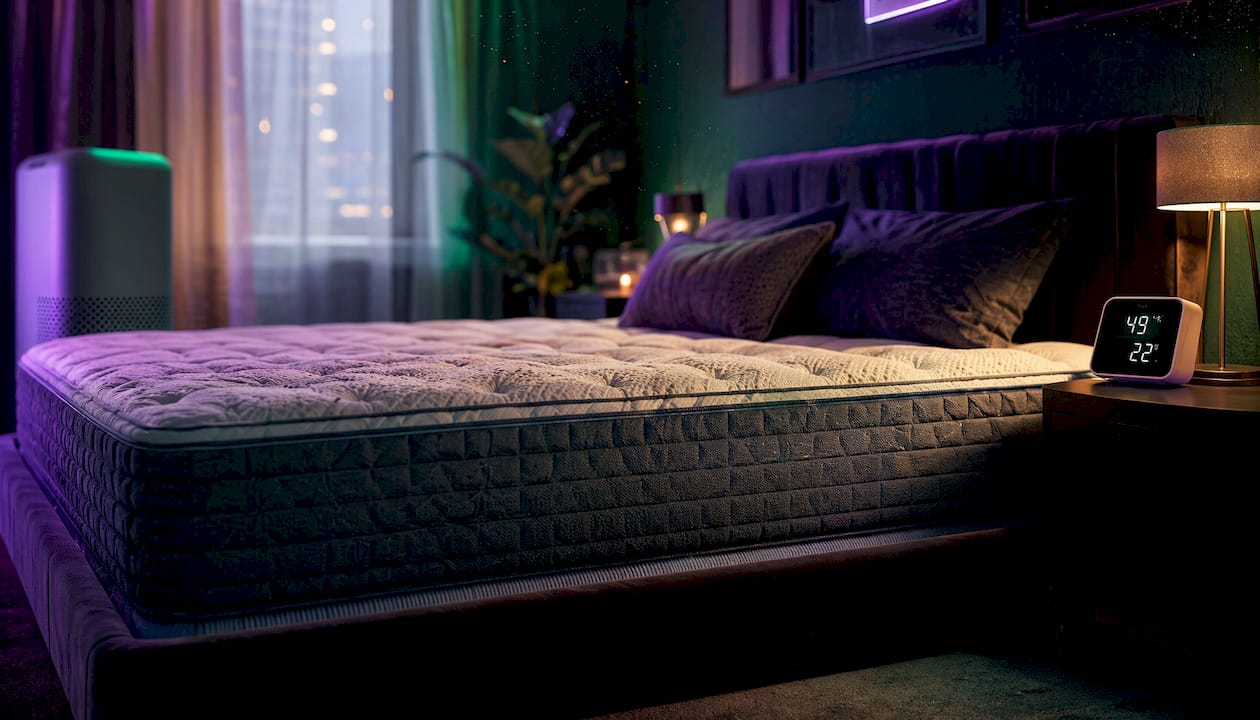
Dust mites thrive above 50% relative humidity, and mold follows closely behind. Keeping your bedroom between 30–50% relative humidity cuts off both problems at the source. A basic digital hygrometer costs under $15 and tells you exactly where your room stands.
Ventilation is your first line of defense. Open windows for 10–15 minutes each morning when outdoor air quality allows, and run bathroom exhaust fans after showers to pull humid air out of the home. In Minnesota winters, indoor air dries out naturally, but summer months in the Twin Cities can push humidity well above the safe range.
- Run a dehumidifier in summer months if readings consistently exceed 50%
- Use a humidifier in winter only if readings drop below 30%
- Check humidity near the bed, not just at the thermostat
- Avoid placing aquariums or large houseplants in the bedroom
Pro Tip: Place your hygrometer at mattress level, not on a high shelf. Humidity near the floor and bed surface is where dust mites actually live.
HEPA-rated air purifiers capture 99.97% of particles 0.3 microns or larger, including pet dander and dust mite debris. That level of filtration makes a measurable difference in a closed bedroom. Avoid ozone generators entirely. They produce reactive gases that irritate the lungs of children and pets, even at low concentrations.
2. Choose low-toxicity furniture and flooring
Indoor air is 2 to 5 times more polluted than outdoor air in many homes, largely because of VOCs off-gassing from furniture, finishes, and flooring. That number matters because children and pets spend more time on the floor and near surfaces than adults do.
Particleboard and MDF are the two most common sources of formaldehyde in bedroom furniture. Both materials use adhesive resins that release VOCs for months after purchase. Solid wood or metal frames with low-VOC finishes are the better choice for any room shared by children and pets.
- Avoid particleboard and MDF in bed frames, dressers, and nightstands
- Choose furniture certified to GREENGUARD Gold or CARB Phase 2 standards
- Air out new furniture in a garage or well-ventilated space for 48–72 hours before bringing it into the bedroom
- Select smooth, wipeable surfaces over carved or textured wood that traps dust
Carpets hold roughly 10 times more allergens than hard flooring. That density makes carpet a significant allergen reservoir in any room where a child or pet sleeps. Hard, sealed flooring such as hardwood, tile, or luxury vinyl plank is the most practical choice. If you want softness underfoot, use small washable rugs that fit in a standard washing machine.
Pro Tip: When buying new furniture, check for the GREENGUARD Gold certification label. It sets stricter chemical emission limits than the standard GREENGUARD certification and is specifically designed for spaces where children spend time.
Certain indoor plants also pose a real risk. Monstera and other common houseplants are toxic to cats and dogs. Keep all plants out of shared bedrooms unless you have verified they are non-toxic using the ASPCA’s plant toxicity database.
3. Build a weekly cleaning routine that actually works
The single most effective cleaning habit in a child and pet friendly room is washing bedding weekly at 130°F or higher. Washing below 130°F only rinses allergens away temporarily. Dust mites survive cooler water and repopulate within days. Hot water kills them.
Here is a practical weekly routine:
- Strip all bedding, including pillowcases and mattress protectors, and wash at 130°F or above
- Wash pet bedding in the same load or a separate hot-water cycle
- Vacuum the mattress surface using a HEPA-filtered vacuum before remaking the bed
- Vacuum all floors, including under the bed frame, using slow, overlapping passes
- Damp dust hard surfaces, nightstands, and baseboards with a microfiber cloth
- Wipe down pet food bowls and any pet accessories stored in the room
Dryer sheets and fabric softeners add synthetic fragrances and chemical coatings that increase VOC exposure and irritate the respiratory systems of both children and pets. Switch to unscented wool dryer balls and fragrance-free detergents. The difference in air quality is noticeable within a few weeks.
Pro Tip: For pet accidents on the mattress, blot immediately with cold water and a clean cloth. Never scrub. Scrubbing pushes the liquid deeper into the foam layers, making professional extraction the only way to fully remove it later.
For families in Minneapolis and the surrounding Twin Cities area, allergen buildup in bedrooms accelerates during winter when windows stay closed for months. A consistent weekly routine prevents the slow accumulation that triggers allergy symptoms by spring.
4. Design the bedroom layout with safety in mind
Keeping pets out of a child’s sleeping area is the single most effective way to reduce allergen exposure for sensitive kids. Pet dander, saliva, and fur transfer directly to bedding and mattress surfaces with every contact. A designated pet sleeping area just outside the bedroom door gives pets comfort without compromising the child’s sleep environment.
- Place pet beds away from routers and smart devices. Veterinary sleep experts recommend this as a no-cost precaution to reduce electromagnetic exposure during sleep
- Air out new pet beds before use. Many foam and synthetic-fill pet beds off-gas VOCs for several days after purchase
- Clear the area under the bed completely. Clutter under the bed traps dust and makes vacuuming impossible
- Use open shelving instead of closed fabric bins, which collect dust and are harder to wipe clean
- Store toys in washable fabric bins or hard plastic containers that can be wiped down weekly
For pest control in shared bedrooms, non-toxic pest management methods such as diatomaceous earth and sealed entry points are far safer than chemical sprays around children and pets. Chemical residues from common pesticide sprays linger on floors and surfaces where children and pets have direct contact.
5. Pick safe bedroom décor that is also easy to maintain
Safe bedroom decor is not about sacrificing style. It is about choosing materials that do not collect allergens and can be cleaned without harsh chemicals.
Window coverings: Roller shades and washable cotton curtains are the best options for a pet friendly bedroom. Heavy fabric drapes trap pet dander, dust, and VOCs from the room and are difficult to launder. Roller shades wipe clean with a damp cloth in seconds.
Bedding and pillows: Hypoallergenic bedding made from tightly woven cotton or microfiber creates a physical barrier against dust mites. Synthetic fill pillows are easier to wash at high temperatures than down alternatives. Replace pillows every 12–18 months regardless of how clean they look.
Paint and finishes: Low-VOC and zero-VOC paints are widely available from major brands and cost roughly the same as conventional options. They off-gas significantly less during and after application. For a child friendly room, look for washable paint finishes that allow spot cleaning without damaging the wall surface.
| Décor element | Best choice | Why it works |
|---|---|---|
| Window coverings | Roller shades or washable curtains | Easy to wipe or launder; no allergen trapping |
| Flooring | Hard, sealed wood or vinyl plank | Holds far fewer allergens than carpet |
| Pillows | Synthetic fill, tightly woven cover | Washable at high temperatures |
| Throws and blankets | Cotton or fleece, machine washable | Launders easily at allergen-killing temperatures |
| Storage | Hard plastic bins or open shelving | Wipes clean; no fabric surfaces to trap dust |
Smart storage reduces clutter and dust accumulation at the same time. Fewer items on the floor means faster, more thorough vacuuming. For non-toxic bedroom ideas that go beyond décor, pairing good material choices with a consistent cleaning routine produces results that neither approach achieves alone.
Key takeaways
A safe bedroom for children and pets requires removing allergen reservoirs, choosing low-VOC materials, and maintaining a hot-water washing routine every single week.
| Point | Details |
|---|---|
| Control humidity first | Keep relative humidity between 30–50% to stop dust mites and mold at the source. |
| Choose hard flooring | Sealed hard floors hold far fewer allergens than carpet and clean in a fraction of the time. |
| Wash bedding at 130°F | Hot water kills dust mites; cooler washes only rinse them away temporarily. |
| Avoid VOC sources | Skip particleboard furniture, synthetic fragrances, and dryer sheets in shared bedrooms. |
| Designate pet sleep areas | Keeping pets off the child’s bed cuts allergen transfer to bedding and mattress surfaces. |
What I’ve learned about bedroom safety that most guides skip
Most bedroom safety advice focuses on adding things: an air purifier here, a mattress cover there. The real work is subtractive. Removing allergen reservoirs like plush carpets, heavy drapes, and fabric-covered headboards does more for air quality than any filter you can buy.
The toxin problem is also more gradual than most parents realize. Low-grade off-gassing from synthetic fragrances and furniture creates a cumulative burden that builds quietly over months and years. By the time a child or pet shows symptoms, the exposure has been ongoing for a long time. Starting with material choices and laundry products is the highest-leverage move.
I have also seen families in the Twin Cities invest in expensive air purifiers while ignoring the mattress, which is the single largest allergen reservoir in the room. A mattress that has never been professionally cleaned holds years of dust mite debris, pet dander, and skin cells deep in its layers. No surface filter reaches that. The mattress is where the work actually needs to happen.
The layout changes cost nothing. Moving a pet bed out of the child’s room, clearing under the bed, and switching to open shelving take an afternoon. Those changes reduce your weekly cleaning time and improve air quality more than most paid solutions. Start there, then build toward better materials and professional cleaning when the budget allows.
— Phillip
When DIY is not enough: professional mattress care for families
A bedroom routine handles the surface. The mattress itself is a different problem.
Years of pet dander, dust mite debris, and absorbed moisture settle deep into mattress foam where vacuuming and spot cleaning cannot reach. Mattressmagicians provides professional mattress cleaning and sanitization for families across Minneapolis, St. Paul, Woodbury, and the wider Twin Cities metro. The service removes embedded allergens, eliminates odors at the source, and treats pet accident stains with professional-grade extraction. Same-week appointments are available for families who need results fast. For urine and stain removal that goes beyond what any home product can do, visit mattressmagicians.com to book your service.
FAQ
What humidity level prevents dust mites in a bedroom?
Keep indoor relative humidity between 30–50%. Dust mites cannot survive well below 50% humidity, so staying in that range cuts their population significantly.
How often should I wash bedding in a home with kids and pets?
Wash all bedding weekly at 130°F or higher. Cooler temperatures rinse allergens but do not kill dust mites, which repopulate within days.
Are air purifiers safe to use around children and pets?
HEPA-rated air purifiers are safe and effective. Avoid ozone generators, which produce lung-irritating gases at concentrations harmful to children and pets.
What flooring is best for a child and pet friendly bedroom?
Hard, sealed flooring such as hardwood, tile, or luxury vinyl plank is the best choice. Carpet holds roughly 10 times more allergens than hard floors and is much harder to clean thoroughly.
When should I call a professional instead of cleaning the mattress myself?
Call a professional when you notice persistent odors, visible staining, or allergy symptoms that do not improve despite regular surface cleaning. DIY methods cannot extract allergens and residues from deep within mattress foam layers.

